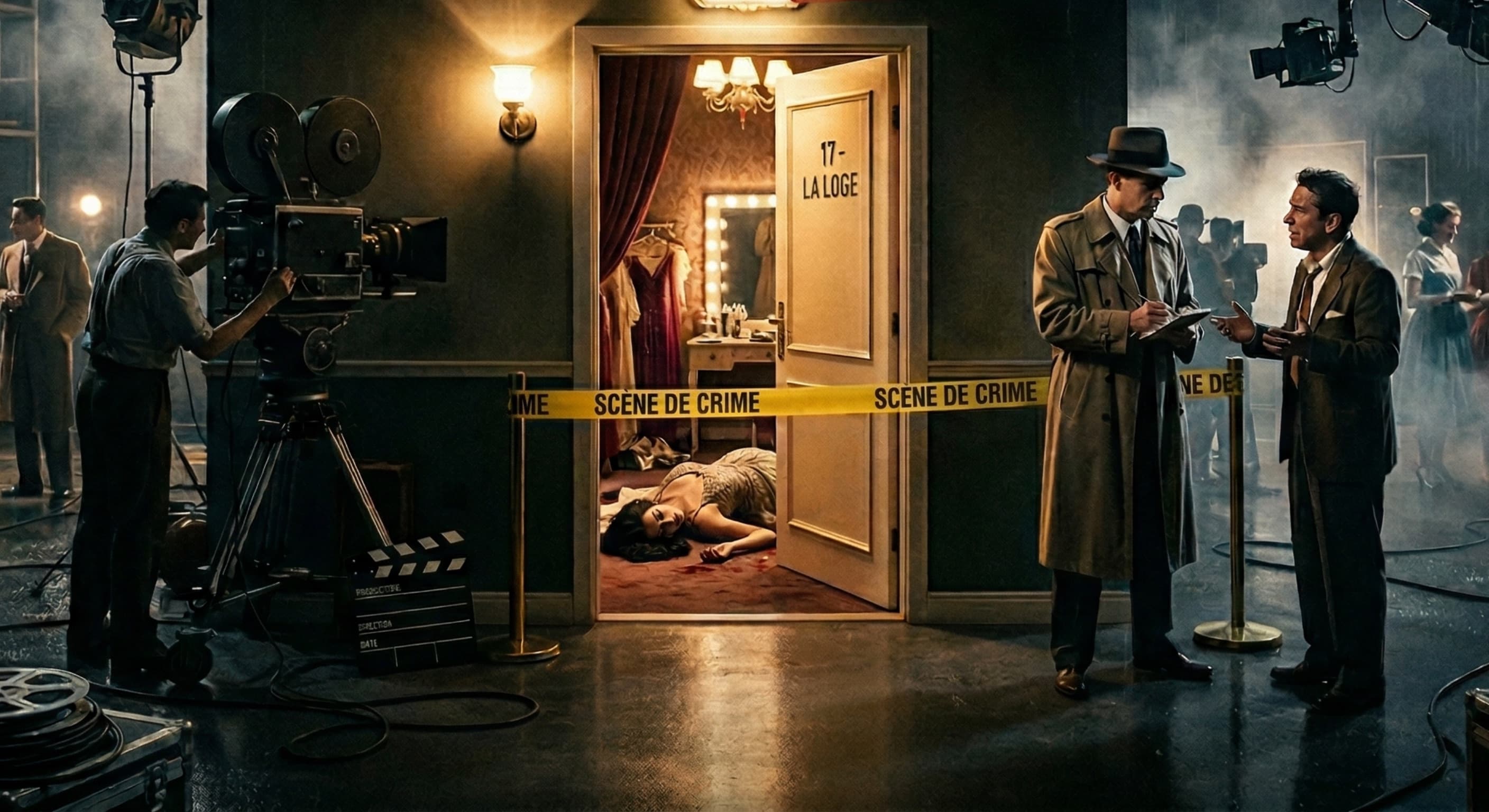
What a murder mystery party actually involves
A murder mystery party is a guided role play. Every guest receives a character sheet describing who they are, what they want, and what they are hiding. A crime has happened, usually before the evening begins, and one of the people in the room is responsible. Over the course of two to three hours, players question each other, trade information, and follow clues until they are ready to name a suspect. Nobody needs acting experience. The sheets do the heavy lifting: they tell each player what to reveal and when to reveal it. As the host, your job is closer to a dinner party coordinator than a theater director. You hand out materials, keep the rounds moving, and read a few short passages aloud. The scenarios on /murder-mystery-kits are built so that a first-time host can run the night without any rehearsal, which is exactly what most people want the first time around.
Step one: pick a scenario and lock your guest count
Start with the number of people, not the theme. A scenario written for eight players will feel thin with five and chaotic with fourteen, so count your confirmed guests before you buy anything. Ask for firm answers rather than maybes. Once you have a real number, choose a theme your group will enjoy playing rather than one that impresses you on paper. A 1920s speakeasy, a stranded ocean liner, or a manor house weekend all work because the costumes are easy and the social rules are familiar. Kits run from 39 to 59 dollars depending on how many players are included, and one purchase covers the entire group. Give yourself at least a week between buying and hosting. That is not because setup is long, but because guests appreciate a few days to read their character and find something to wear. Booking the date first and choosing the scenario second is the single most common ordering mistake.
Step two: send invitations and assign characters
Send invitations about two weeks out. Say the date, the start time, the theme, and one line about what the evening is: an interactive mystery where everyone plays a role. Ask people to reply by a set deadline so you can assign characters. Once you have your list, match players to roles thoughtfully. Give the talkative guests the characters with the most secrets to protect, and give quieter guests roles with clear, concrete information to deliver, because having a specific job removes the fear of freezing up. Send each person their character sheet a few days before, individually, never in a group thread. Half the fun comes from not knowing what anyone else received. Add a short note about costume level so nobody arrives overdressed or underdressed. A hat, a scarf, or one distinctive accessory is enough. Setting that expectation early saves several anxious messages the night before.
Step three: print the kit and set up the room
Everything arrives as a PDF you download instantly and print yourself, so plan a printing session rather than a shipping window. Print the host guide first and read it once, start to finish, with a highlighter. Then print character sheets, clues, and any evidence documents. Standard paper is fine for sheets, while clues look better on slightly heavier stock if you have it. Color matters for photos and newspaper clippings, but text pages print perfectly in black and white. Separate the stack into labeled envelopes, one per character, plus a pile of clues you will hand out during the game. For the room, you need a table or a circle of seating where everyone can see each other, softer lighting than usual, and a flat surface for clues. Clear the space the afternoon before. Guides on /printable-murder-mystery-kit cover the printing details if you want a checklist to work from.
Step four: run the night, round by round
Give guests twenty minutes to arrive, get a drink, and settle into character before anything starts. Then gather everyone and read the opening passage aloud. This sets the scene and announces the crime. From there the evening runs in rounds. In each round, players mingle, ask questions, and reveal the information their sheet tells them to reveal at that point. Between rounds, you read a short bridging passage and distribute the next set of clues. Three rounds is typical, running roughly thirty to forty minutes each. Your main job is timekeeping. If conversation stalls, name a pair of characters who have unfinished business and suggest they talk. If someone is being left out, walk a clue over to them. Serve food between rounds rather than during them, so eating becomes a natural break instead of a distraction. Keep your host guide within reach the whole time.
Step five: the accusation and the reveal
After the final round, ask each player to write down who they think is guilty and why. Going around the table one at a time to hear the accusations out loud is the best part of the night, so do not rush it. Let each person state their case for thirty seconds. Then read the solution passage from the host guide. Expect noise. Expect at least one person to insist they knew all along. The culprit usually gets to explain how they pulled it off, which rewards whoever played the role well. Afterward, leave time for people to compare sheets and discover the secrets that never came out. That post-game conversation often runs another half hour and is where the best stories come from. If your group enjoyed it, this is the ideal moment to mention that you will host again, because commitments made at the table tend to stick.
Mistakes first-time hosts make, and how to avoid them
The most common mistake is inviting more people than the scenario supports. Extra guests without characters end up watching, and watching is boring. If someone unexpected arrives, give them a role as a witness or assistant investigator rather than nothing. The second mistake is skipping the host guide. Reading it once takes twenty minutes and prevents almost every problem that could occur on the night. The third is over-decorating. Guests remember the conversations, not the centerpiece, so spend your energy on lighting and music instead. The fourth is trying to cook a full meal while also running the game. Choose food that is ready before guests arrive. Finally, do not let the mystery run past its natural length. If the group has solved it, move to the reveal early. Ending while energy is high is far better than dragging out a final round nobody needs.
Frequently asked questions
How long does a murder mystery party take?+
Plan for three hours door to door. That is twenty minutes of arrival, roughly two hours of play across three rounds, and thirty minutes for accusations, the reveal, and the conversation afterward. Smaller groups often finish closer to two hours.
Do I need to be a good actor to host one?+
No. The host guide gives you the exact passages to read aloud and tells you when to hand out each clue. Most hosts speak for less than ten minutes total across the whole evening. Your real job is keeping time and keeping everyone included.
Can the host also play a character?+
Yes, and many hosts do. Choose a character who is not the culprit, since you will already know the solution. If you prefer to stay out of the story entirely, running the game as a neutral narrator works just as well and is slightly easier your first time.
What do I do if a guest cancels the day of the party?+
Most kits mark which characters are optional and can be removed without breaking the plot. Pull that sheet, redistribute any clues it held, and tell the group that person could not attend. If the culprit cancels, reassign the role to a willing guest before you begin.