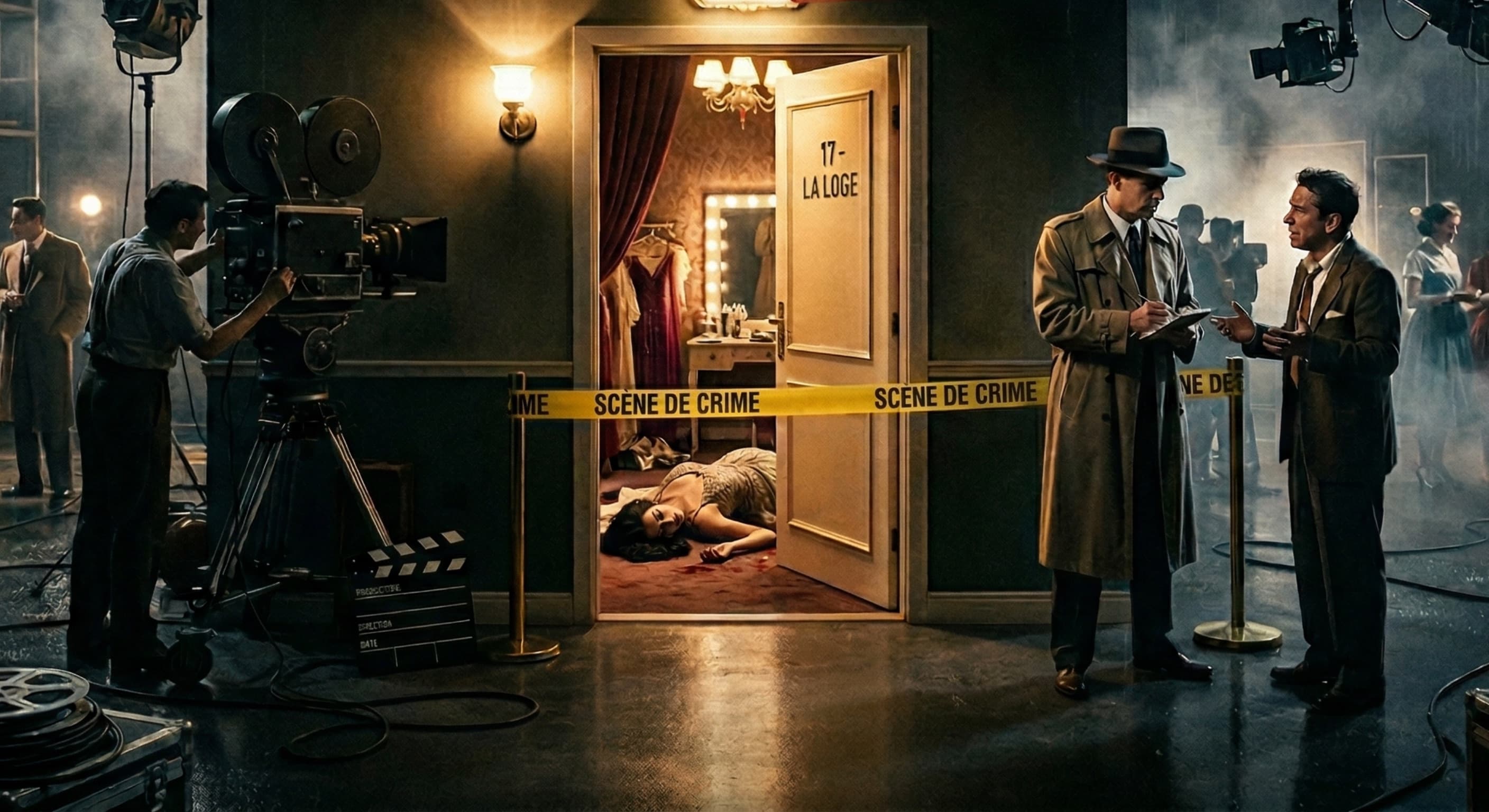
Why the reveal carries the whole evening
People forget which clue they found in round two. They do not forget the moment the table turned on the wrong person, or the second the real culprit grinned and admitted it. The reveal is the payoff for every conversation that came before, and it is the only part of the night where all attention points in the same direction. That makes it fragile. A rushed reveal, read too quietly while people are still eating, deflates a night that was working perfectly. Treat it as a scene with its own setup: change the seating, cut the music, refill glasses first so nobody gets up halfway through. The scenarios on /murder-mystery-kits include a written solution passage precisely because reading a prepared text lands better than improvising an explanation. Your job is to give that text a room that is ready to hear it. Thirty minutes of deliberate structure at the end is the best return on effort available to any host.
Close the investigation cleanly before you open anything
Announce the end of the final round five minutes before it happens so conversations can finish rather than being cut off mid-sentence. Then close it formally: say that the investigation is over, that no further questions may be asked, and that everyone should return to the table with their sheet and their notes. That formal boundary matters more than it sounds. Without it, players keep trading information during the accusation round, which lets late whispers change three people's answers and ruins the spread of guesses. Once everyone is seated, take a beat. Turn the music off or drop it to almost nothing. Have people put their phones face down. Some hosts dim one more lamp at this point, which is a small theatrical touch that costs nothing. The shift from mingling to sitting is what tells the room that the evening has changed gear. If someone is still mid-conversation when you call time, wait the extra thirty seconds rather than talking over them.
Written accusations, collected before anyone speaks
Hand out small slips of paper and ask each player to write three things: who they accuse, the motive, and the single piece of evidence they find most damning. Give them three minutes of silence to do it. Writing before speaking is the most important mechanic in the whole reveal, because it locks in independent answers. If you let people talk first, the confident guest at the head of the table converts half the room to their theory and the spread collapses into unanimity. With written slips, you get genuine disagreement, and disagreement is what makes the reveal loud. Collect the slips or let players keep them face down, either works. Tell the group that the majority is often wrong, which is both true and useful, because it gives cover to the person about to name someone nobody else suspects. Keep a few spare slips on hand, since at least one person will want to change their answer and rewrite it.
Going around the table, in the right order
Now hear the cases out loud. Give each player up to forty-five seconds to name their suspect and justify it, and hold that limit gently but actually hold it. Start with the quietest player in the room rather than the loudest. This is a deliberate choice: the quiet guest gets a clean, uninterrupted stage before the dominant theories are in the air, and the confident players are far more entertaining once they have something to react to. Do not comment on any accusation. Nod the same way at every one of them. If a player is clearly correct, nod exactly as you nodded at the wrong ones. Save the culprit for as late as possible, since watching someone accuse a person they know is innocent, while holding a straight face, is one of the best moments the format produces. Keep a tally of who got the most votes and announce it before you read the solution.
Reading the solution out loud
Read the solution passage from the host guide rather than explaining it in your own words. It was written to sequence the information correctly: what happened, in what order, and which clue proved each step. Read it slowly. Resist the urge to skip ahead to the name, and resist the urge to editorialize as you go. If the passage builds toward the reveal of the culprit, let it build. Expect interruptions and let them happen, because the noise is the point. If you have a printed copy of the key evidence, hold it up as you reach it. Once the name is out, pause and let the room react for a full ten or fifteen seconds before continuing to the explanation of the method. Hosts who barrel through that pause lose the single biggest laugh of the night. Then read the remainder, including the parts that explain the red herrings, since those answer the questions people are about to ask.
Give the culprit the last word
Turn to the guilty player and ask them to explain how they did it, and how they nearly got caught. This is the reward for playing a difficult role for two hours under suspicion, and it is almost always funny. Good culprits will point at the exact moment they thought they were finished. Then go around the table and invite everyone to confess one secret their character never got to reveal, which takes five minutes and is consistently the most enjoyable part of the whole evening. Half the room will discover subplots they walked straight past. Let people compare sheets afterward and photograph the clue documents if they want. That post-reveal conversation often runs a further half hour. If your group enjoyed it, this is the exact moment to say you will host again, because enthusiasm at the table converts into actual dates far better than a message three weeks later does.
Fixing the two reveals that go wrong
The first failure mode is that everyone guessed correctly, usually because one loud player broadcast the answer in round two. If you can see it coming, add a wrinkle: ask for motive and method as well as the name, and award the win only to the players who got all three right. That almost always splits a unanimous room. The second failure mode is a table that is completely lost and slightly deflated. Fix that during the final round, not at the reveal, by releasing one extra clue and telling the group to compare notes openly for five minutes. A group that solves it at the last second enjoys the night far more than one that never had a chance. Either way, never reveal the answer early to rescue a stalled game. Shorten the round instead and get to the reveal while people still have energy, whether the night runs at a birthday table, per /murder-mystery-birthday-party, or any other occasion.
Frequently asked questions
How long should the reveal take?+
Budget thirty minutes. Three minutes for written accusations, about ten for going around the table, five to read the solution, and the rest for the culprit's explanation and the conversation that follows. Do not compress it below twenty.
What if nobody guesses correctly?+
That is the most common outcome at a well-balanced table and it makes the reveal land harder, not softer. Groups that get it wrong typically spend the next twenty minutes retracing clues and enjoying themselves. Treat a wrong table as a success.
Should there be a prize for the winner?+
A small one helps. A bottle, a bar of chocolate, or a paper certificate is plenty. Award it for the most complete accusation, meaning name plus motive plus evidence, so the prize goes to reasoning rather than to a lucky guess.
Can the host reveal the answer if the game runs long?+
Yes, and you should. If energy is dropping, end the current round early, run accusations, and read the solution while people are still engaged. Ending a strong night fifteen minutes early always beats dragging out a round nobody needs.