What actually goes wrong at holiday parties
Three things, and they compound. The first is that the format gives people no activity, so conversation has to carry three hours unaided and it cannot. The second is that departments cluster, which means the party reproduces the seating chart of the office and nobody meets anyone new. The third follows from the first two: with nothing to do and nobody new to talk to, drinking becomes the activity, and the stories that come out of office holiday parties are almost always downstream of that. A murder mystery party addresses all three at once. It gives everyone a job, it distributes information across departments so people have to cross the room, and it occupies the hours that would otherwise be filled by the bar. None of this requires announcing a change of policy or making anyone feel managed, which is the part that matters. Employees notice when an evening has been designed for them rather than booked for them, and that difference is what people describe afterward.
Choosing a scenario that will not cause a problem
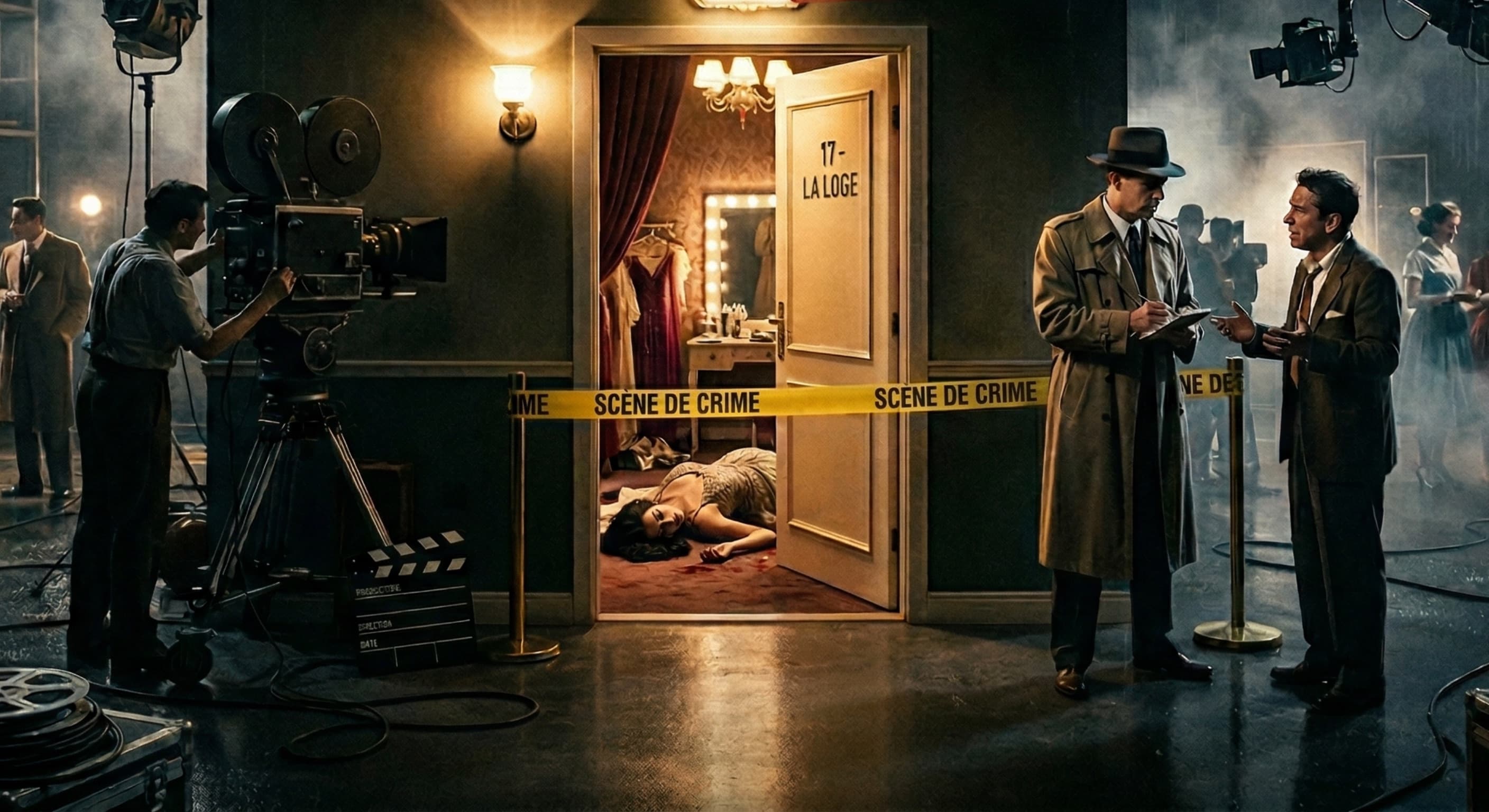
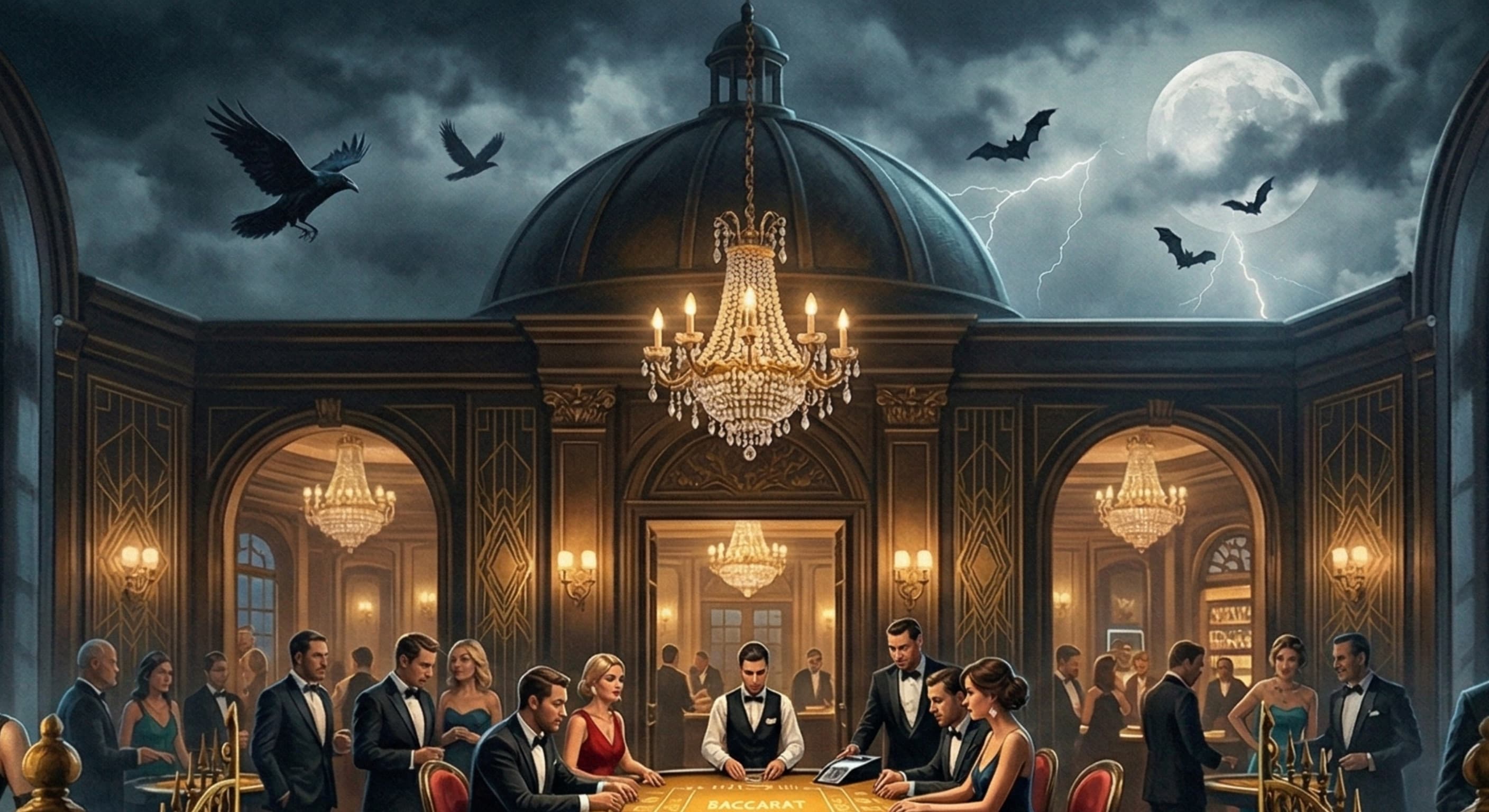
The selection criteria are stricter than for a party with friends, and it is worth being honest about why. Avoid scenarios built on romantic entanglement between characters, because colleagues playing an affair storyline creates a discomfort that outlasts the evening and occasionally outlasts the year. Avoid graphic violence and anything that could read as insensitive across a diverse group. Read the character list before buying and confirm that no role requires a person to be humiliated, ridiculed, or singled out for their appearance. What works reliably are heist plots, corporate espionage, missing document investigations, and period settings like a grand hotel, an ocean liner, or a 1920s club, where the drama is about money, ambition and reputation. Check the reading load as well, since colleagues will not prepare in advance. Scenario pages on /murder-mystery-team-building list tone and player count alongside each plot, which is the information you need before you commit.
Keeping the org chart out of the fiction
The fastest way to ruin a workplace mystery is to let the hierarchy reappear inside the story. If the most senior person is cast as the most powerful character, the room defers, conversations flatten, and junior staff stop volunteering theories. Cast against rank instead. Give senior people characters with little authority and plenty to hide, and give junior staff the roles everyone must consult. Do not let a manager facilitate, since the facilitator holds the solution and that combination of authority and information discourages disagreement. Use someone neutral, a volunteer from a different department, or an external host. State once at the start that nothing said in character is a comment about anyone in real life. It sounds unnecessary and it visibly relaxes a room. Make participation genuinely optional and offer a non-suspect role for anyone who would rather keep a low profile, phrased as a job rather than an exemption.
Alcohol, plus-ones and the other holiday variables
A holiday party usually has a bar, which a team-building afternoon does not. That is fine, and it changes two things. First, the game depends on people remembering what they were told two conversations ago, so pace the drinks around the structure: one on arrival, wine or beer during the rounds, and open things up after the reveal. Second, always provide a non-alcoholic version of whatever the signature drink is, in the same glass with the same garnish, so nobody is visibly marked as the person not drinking. On plus-ones, decide before invitations go out. Partners work well in a murder mystery because they arrive without office history and cast easily into outsider roles, but they change your player count and your scenario choice. If you include them, count them properly rather than hoping they will watch, because a spectating partner is a bored partner and their colleague will notice.
Budget, headcount and running it for a large team
The materials are the cheapest line in the budget. A printable kit runs 39 to 59 dollars for the entire group and downloads instantly as PDFs, so there is no purchase order lead time, no shipping, and nothing to chase in the second week of December when every supplier is behind. For fifteen people the materials work out around two dollars a head. Venue and catering will dominate everything else. On headcount, ten to fifteen is the right size for a single game. For thirty or forty, run parallel games in separate rooms with the same scenario, two facilitators, two printed sets, and a shared reveal at the end, which gives the rooms something to compare. Allow three hours total: thirty minutes for arrival and character reading, roughly two hours of play, and thirty minutes for the reveal and the drink afterward. Print and sort into named envelopes the day before.
Where to run it, including a hybrid team
An office works if you can clear a large room so people can stand and move between conversations, but overhead fluorescent lighting is the enemy of atmosphere, so bring lamps or run it elsewhere. A private room at a restaurant removes the association with the working day, which is worth paying for at a holiday event specifically. For a distributed team, the format adapts to video better than most party activities: send character sheets by email in advance, use the main room for announcements, and use breakout rooms for private conversations with people rotating every few minutes. Remote versions need a stricter facilitator and shorter rounds of about twenty minutes, plus a co-facilitator managing the rotation while you run the story. For a hybrid group, resist the half-and-half arrangement where remote attendees watch a room. Either everyone is in person or everyone is on video. Whichever you choose, test the room or the platform a day ahead rather than discovering the lighting or the breakout settings with forty people waiting.
Fitting it around the rest of the holiday party
Most holiday parties come with obligations: a few words from a director, an award or two, a gift exchange. Put all of them after the reveal. A speech in the middle of an investigation stops the momentum dead and costs fifteen minutes to restart, whereas a speech to a room that has just spent two hours arguing about a fictional crime lands on an audience that is already warm and already listening. If there is a gift exchange, run it last of all. On timing, a late afternoon start into the evening works better than a late one, since a mystery needs about three hours and holiday parties that begin at eight end with half the room leaving before the reveal. Send the invitation with a clear explanation of the format, because people should know they will be playing a character rather than discovering it at the door. The catalog on /murder-mystery-kits covers what a group of any size will need.
Frequently asked questions
Is a murder mystery party appropriate for a work holiday party?+
Yes, with a carefully chosen scenario. Pick heist, espionage or period hotel plots and avoid romantic entanglement, graphic content, or any role written to humiliate a player. Have someone neutral facilitate, cast against the org chart, and make participation genuinely optional.
How much does it cost per employee?+
The kit itself is 39 to 59 dollars for the whole group as an instant download, so for fifteen people the materials come to roughly two dollars each. Venue and catering are the real budget. There is no shipping to schedule, which matters in December.
Can we run it for forty people?+
Not as one game. Run parallel games of twelve to fifteen in separate rooms with the same scenario, one facilitator each, and bring everyone back for a shared reveal. The rooms solved it differently, which gives people something to argue about at the bar afterward.
Does it work for a remote or hybrid team?+
For fully remote teams, yes: email the character sheets ahead, use breakout rooms for private conversations with a rotation every few minutes, and shorten rounds to twenty minutes with a dedicated facilitator. For hybrid, pick one mode. A few people on a screen watching a room never works.