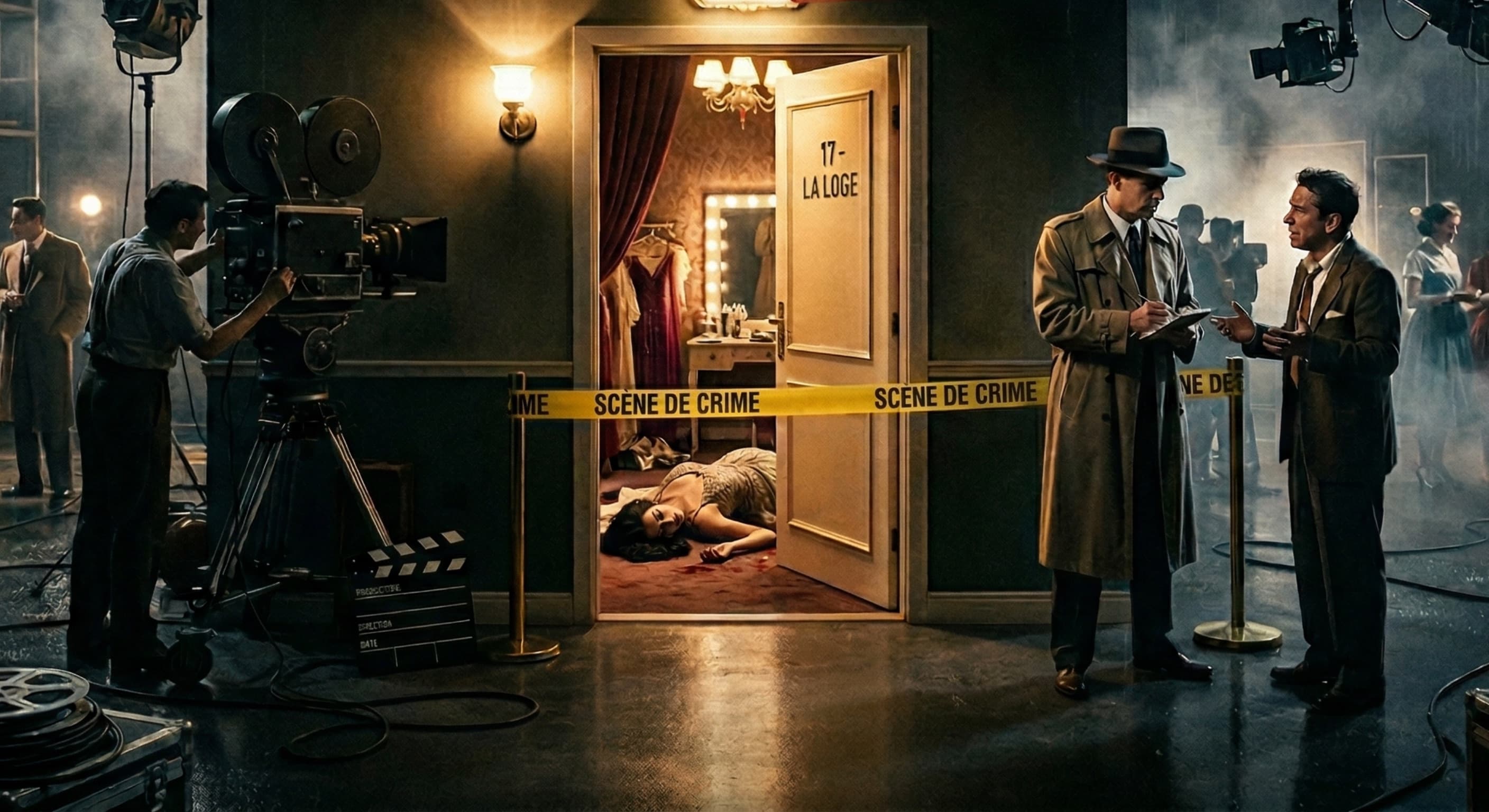
Why a birthday is the ideal night for a mystery
Most birthday parties follow the same shape: people arrive, stand around in familiar clusters, eat, sing, and leave. A murder mystery replaces the standing around with a reason to talk to everyone in the room. That matters most at birthdays, where the guest list often mixes work friends, college friends, and family who have never met. Giving each of them a character and a reason to interrogate a stranger dissolves those clusters within the first round. It also solves the gift problem for the host, since the experience itself is the event rather than an add-on to it. Practically, a birthday has a natural schedule already built in, with a cake moment and a toast that slot neatly between game rounds. Kits on /murder-mystery-birthday-party are priced from 39 to 59 dollars for the whole group, which for a party of ten is less than the cost of a round of drinks.
Casting the guest of honor in the right role
The instinct is to hand the birthday guest the flashiest character. Consider instead what kind of attention they actually enjoy. Someone who loves the spotlight should get a role with public secrets and dramatic reveals, the character everyone has to confront at some point. Someone more reserved is better served by a character positioned at the heart of the information network, the one everyone needs to talk to, which gives them the center of the evening without a performance. Either way, avoid giving them a character who is sidelined for the first round. The birthday guest should be pulled into conversation immediately. Tell them their role a few days ahead like everyone else, so they get the same anticipation. The one thing worth checking privately is whether they would enjoy playing the culprit, because that role is either the highlight of their night or the thing they dread.
Should the birthday guest be the killer?
It is a genuinely good twist when it fits the person. The culprit gets the most interesting sheet, controls the most information, and receives the biggest reaction at the reveal, which is a fair definition of being the center of the party. The risk is that the culprit spends the evening deflecting rather than being celebrated, and some people find sustained suspicion uncomfortable even in a game. A useful middle ground is casting them as the character with the strongest apparent motive who turns out to be innocent. They absorb the attention of the whole room for two hours, then get publicly cleared at the reveal, which plays beautifully. If you do cast them as the culprit, do not announce the plan to anyone else. A birthday guest who successfully lies to a dozen friends for two hours will retell that story for years.
Surprise party or announced party?
Both work, but they require different preparation. An announced mystery lets you send character sheets in advance, which means better costumes, more committed play, and a stronger first round. This is the better choice for most groups. A surprise mystery means the birthday guest arrives with no character and no context, so plan for a fifteen minute onboarding while other guests are already in costume. Choose a character for them that is easy to pick up cold: clear motive, few secrets, no complicated backstory. Hand them the sheet with a drink and let them read it somewhere quiet. Never surprise someone with the culprit role, since playing it well requires knowing the sheet in advance. A good compromise is telling the guest of honor there will be a mystery, keeping the theme and their character a surprise. They get to plan a costume and still walk into something unknown.
Decorating without turning it into a production
Guests remember conversations and accusations, not centerpieces. The three things that genuinely change the atmosphere are lighting, sound, and one focal point. Turn off overhead lights and use lamps or candles. Put on an instrumental playlist that fits the era of your scenario, low enough that people can still hear each other across a table. Then create a single strong visual, a clue table, a bar set up in period style, a doorway with a sign, that everyone photographs when they arrive. That is enough. Balloons and birthday banners can coexist with a 1920s or noir theme without breaking anything, so there is no need to hide the fact that it is a birthday. If the scenario includes printable decor and name cards, those cover most of the theming for free. Spend your remaining energy on food that is ready before the first guest arrives.
Timing the cake, the toast and the reveal
Order matters more than people expect. Serve food between round one and round two, when guests have met everyone and need a break to compare notes. Keep the cake and the toast for after the reveal, not before it, because a birthday toast in the middle of an investigation kills the momentum and forces everyone out of character. Once the culprit is revealed and the room is still loud, that is the moment to bring out the cake. The energy is already high and the transition from game to celebration is seamless. If the birthday guest turns out to be the culprit, the timing is even better, because the toast becomes part of the joke. Plan the whole night backward from that moment: three hours of mystery, then cake, then the part of the evening where everyone stays late arguing about clues they missed.
Frequently asked questions
What age is a murder mystery birthday party good for?+
Adults of any age, plus teenagers from around thirteen with a lighter scenario. For a milestone birthday like a thirtieth or fortieth, the format works particularly well because the guest list is usually large enough for a full cast and mixes social circles that would otherwise stay separate.
How far in advance should I plan a murder mystery birthday?+
Two to three weeks is comfortable. Send invitations at two weeks, confirm the count at one week, buy and print the kit a few days out, and send character sheets three or four days before. The kit itself is an instant download, so the planning is about your guests, not delivery.
Can I personalize the story with the birthday person's real life?+
Yes, and it is one of the best things you can do. Renaming a character after an inside joke or setting the crime at a fictional version of their workplace gets a reaction every time. A custom scenario built around your group is available on /custom-murder-mystery if you want the personalization written into the plot itself.
What if some guests do not want to play?+
Give them a non-suspect role such as a bartender, a reporter, or an assistant investigator. They stay in the room, hear everything, and can participate as much or as little as they want. In practice most reluctant guests are fully involved by the end of the first round.