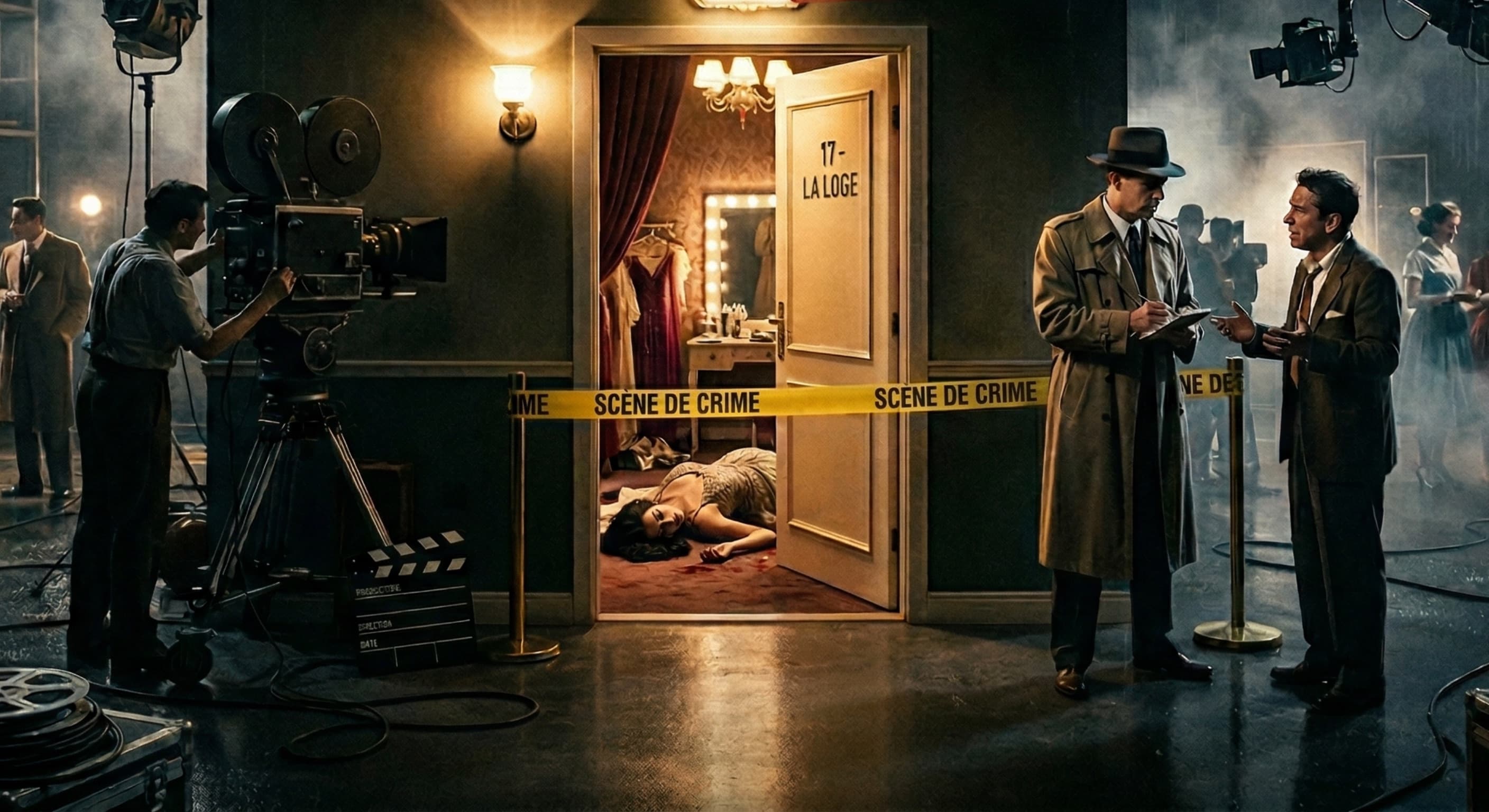
Why a new house is already the perfect crime scene
Most murder mystery scenarios open by trapping a group of people somewhere unfamiliar. A housewarming hands you that setup for free. Nobody in the room knows where the hallway leads, which door is a closet, or what is behind the one you asked them not to open. That mild disorientation is exactly the texture a mystery needs, and it costs you nothing to produce. The second advantage is social. A housewarming guest list is almost always a collision of circles: old friends, work colleagues, family, and two or three neighbors you have spoken to once. Left alone, those groups will not mix. Handed characters with conflicting motives, they mix within fifteen minutes because the game requires it. That is the real reason to run one here rather than at any other kind of party. Scenarios on /murder-mystery-kits run from 39 to 59 dollars for the whole group, download instantly as PDFs, and need nothing shipped to an address you just moved into.
Do not host it the weekend you move in
The temptation is to schedule the housewarming as soon as the truck leaves, while the momentum is still there. Resist it. Give yourself three to six weeks. You need to know which lamp works, where the extension cords are, and whether the living room can actually hold twelve people standing. You also need to have found the printer. A mystery adds about ninety minutes of preparation on top of a normal party, mostly printing and sorting, and that is unpleasant work in a house where the scissors are still in an unlabeled box. Three weeks in, you have unpacked enough to look settled but not so long that the housewarming feels overdue. The other benefit of waiting is that you will have met more neighbors by then, which widens the guest list at exactly the moment you want more players. If a date is already fixed and it is close, buy the kit early and print it at a copy shop rather than fighting with an unpacked machine.
Turning your floor plan into part of the game
Standard hosting advice says to gather everyone in one room. Ignore that here, because spreading out is the whole point at a housewarming. Assign each round to a different part of the house. Round one happens in the living room where the crime is announced. Round two spreads into the kitchen and the hall, with clues placed in two separate rooms so players have to move to find them. Round three returns everyone to the largest space for the accusations. Hide a clue somewhere that requires opening a door: inside a cupboard, on a windowsill, taped under a chair. Guests get a legitimate excuse to explore, which is what they wanted anyway, and you never have to give the awkward guided tour. Keep bedrooms and anywhere genuinely private clearly off limits, and say so once at the start in a light tone. One sentence prevents the only real risk, which is a curious guest opening the door to the room where you hid everything you have not unpacked.
Casting neighbors, old friends and relatives
The casting decision that matters most is what you do with the neighbors. They are the guests who know the fewest people, and they are the ones you most want to leave feeling included. Give them characters positioned at the center of the information network, roles that other players are required to consult. That guarantees a steady stream of people introducing themselves, which is far kinder than hoping they find their way into a conversation. Old friends can take the roles with long histories and buried grudges, because they are comfortable playing conflict with each other. Relatives do well with clear, concrete information to deliver, especially if they are less sure about the whole idea. Avoid casting a couple as the two characters with the strongest connection, since they will simply talk to each other all night. Split them deliberately and give each of them business with someone else in the room. The mixing is the gift you are giving this particular guest list.
Themes that suit a house rather than a venue
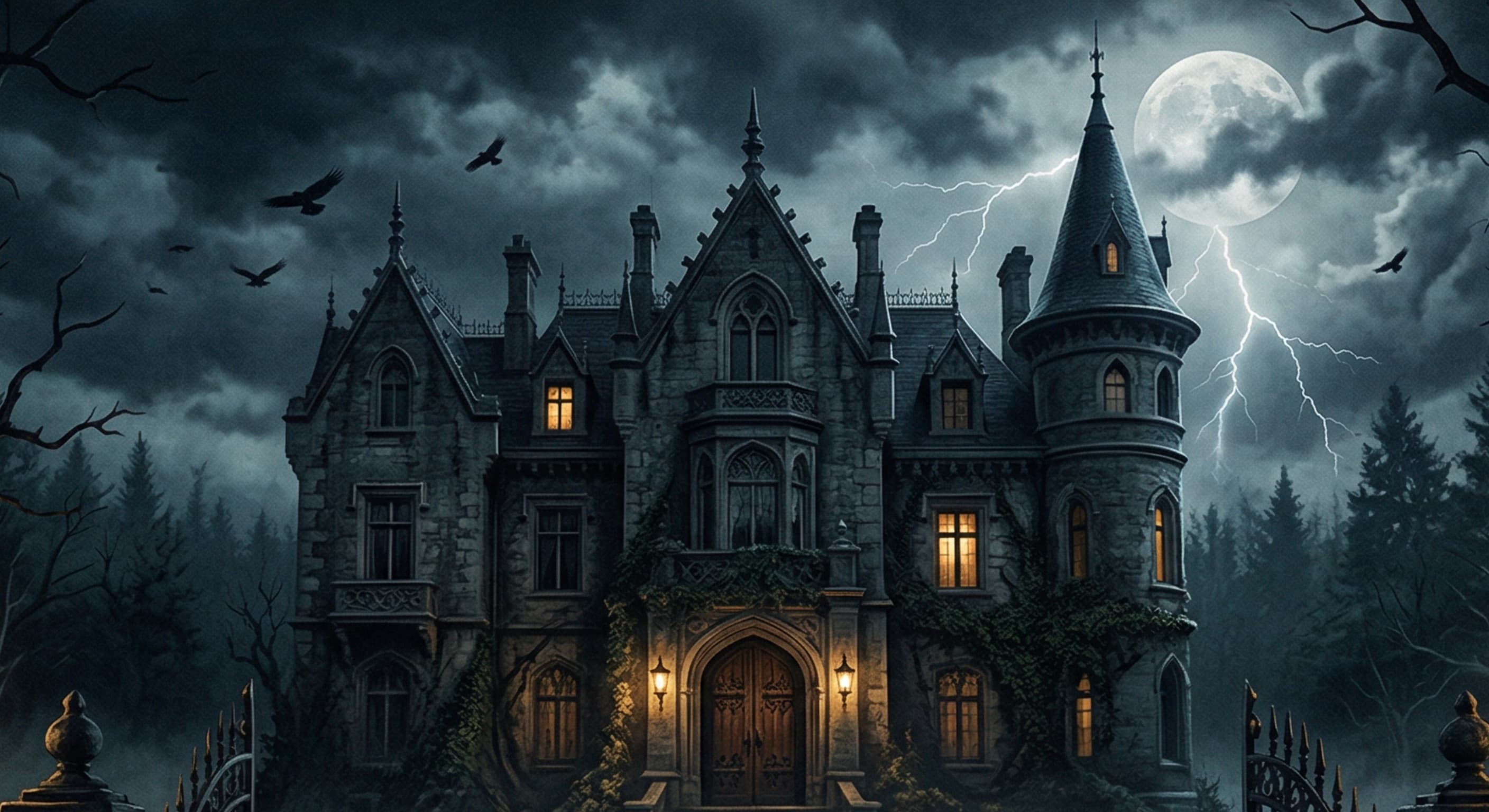
Some scenarios need a nightclub, a ship, or a ballroom, and they feel thin in a two bedroom apartment. For a housewarming, favor settings that are already domestic. A dinner party where the host is found dead. A country house weekend. A family estate where a will is about to be read. An apartment building where everyone knows a little too much about everyone else. These settings make your actual rooms into the actual set, which means your furniture is doing the work of the decoration. A haunted or slightly gothic manor theme is a good fit for an older home with any character to it, and works as a knowing joke about a place you are still learning to live in. Whatever you pick, check the player range against your confirmed headcount before buying. Six to twelve is the comfortable band for a home, and twelve is genuinely the ceiling in most living rooms once people need to move between conversations.
Printing and prep when the printer is still in a box
Everything you buy is a PDF you download and print yourself, so the only logistics are yours. Plan one printing session the day before, not the afternoon of. Print the host guide first, read it start to finish with a highlighter, then print character sheets and clues. Character sheets are perfectly readable in black and white on ordinary paper. Save color for the evidence documents, where photographs and handwritten notes carry the atmosphere. If your printer is still packed, send the file to a copy shop and collect it, which for a full kit costs around ten to fifteen dollars in color. Sort everything into labeled envelopes, one per character, plus a separate stack of clues you release round by round. Do the sorting at a table rather than on the floor. Practical guidance on paper, color and page order lives on /printable-murder-mystery-kit if you want a checklist rather than judgment calls at eleven at night.
Protecting the new place without policing the party
You have just moved in, the floors are clean for the last time in years, and you are about to invite twelve people to wander around holding drinks. A few quiet decisions handle this without anyone noticing. Serve food that does not need a knife and fork, since standing guests with plates are how carpets get ruined. Use trays under drinks on any wooden surface. Put the clue table somewhere with hard flooring. Choose candles in holders rather than loose tea lights, especially in a home whose smoke alarm you have not yet tested. Decide in advance where coats go and say it at the door, because a pile on a bed is the fastest route to a stain you did not see. None of this needs announcing beyond one sentence about which rooms are open. Hosts who spend the evening watching their floors do not enjoy their own party, and guests notice a tense host long before they notice a mark on the wall.
Frequently asked questions
How long after moving in should I host a housewarming murder mystery party?+
Three to six weeks is the sweet spot. You will have unpacked enough to look settled, found your printer, and met more neighbors, which widens the guest list. Hosting the first weekend adds party preparation on top of unpacking, and something always gives.
Can I run a murder mystery party in a small apartment?+
Yes, with six to eight players rather than twelve. Choose a scenario with a domestic setting so your rooms read as the set, and run the rounds in one main space with clues placed just outside it. Small groups produce longer conversations and nobody hides in the background.
What if my neighbors do not know anyone else at the party?+
That is an argument for the format, not against it. Give neighbors characters that other players must consult for information. They spend the evening being approached and introduced rather than hoping to join a conversation, which is a far gentler way to meet a room full of strangers.
Should I give guests a tour before or during the game?+
Neither. Place clues in two or three different rooms and the tour happens by itself, with guests exploring because the game sends them. State once at the start which rooms are off limits, then let curiosity do the rest.