Why the format looks worse than it is
The dread comes from a specific mental image: standing in a circle while everyone watches you attempt an accent. That image is wrong in almost every detail. There is no circle, no audience and no moment where the room turns to watch you perform. What actually happens is that ten people spread across a living room and a kitchen and talk in twos and threes for three hours, the same way they would at any party, except the conversations have a subject. Nobody can watch you, because everyone is occupied with their own conversation. The only moments when the whole room is attending to one person are the host passages and the accusation round, and in the accusation round you speak for about thirty seconds from a seated position about something you have been thinking about all evening. That is a very different thing from improvising in front of a crowd, and the gap between the two is where the whole misunderstanding lives.
A script removes the hardest part of socializing
The genuinely exhausting part of most parties is not talking. It is deciding what to talk about, monitoring whether the other person wants to keep talking, and managing the silence when a topic dies. Introverts usually find that ongoing calculation more tiring than the conversation itself. A murder mystery party deletes most of it. Your character sheet tells you who you are, what you want, what you know and what you are hiding, which means you arrive with an agenda instead of an empty conversational slate. There is always something to ask and always something to say. The silence problem disappears because there is a permanent legitimate subject in the room. This is why people who dread small talk often relax significantly once the opening passage has been read. The unstructured part, the first twenty minutes before the game starts, is the hardest stretch of the night, and it is also the shortest.
Conversations happen in twos and threes
Group conversations are where quiet people get squeezed out. Eight people around one table means competing for airtime, and the fastest talkers take it. A murder mystery party structurally prevents that, because the information is distributed rather than announced. The facts you need are held by individual people, which forces the room to break into small pairings and keep re-forming them. Over three hours you will have perhaps fifteen short one-on-one conversations instead of one long group discussion you have to fight your way into. That is close to the ideal social shape for someone who finds large groups draining: real conversations, one at a time, with a built-in reason to end them and move on. The move-on part matters more than it sounds. Leaving a conversation at a normal party requires an excuse. Here, needing to go question someone else is the excuse, and it is expected. That single piece of social permission is worth more than any amount of encouragement to relax.
The character is a buffer, not an exposure
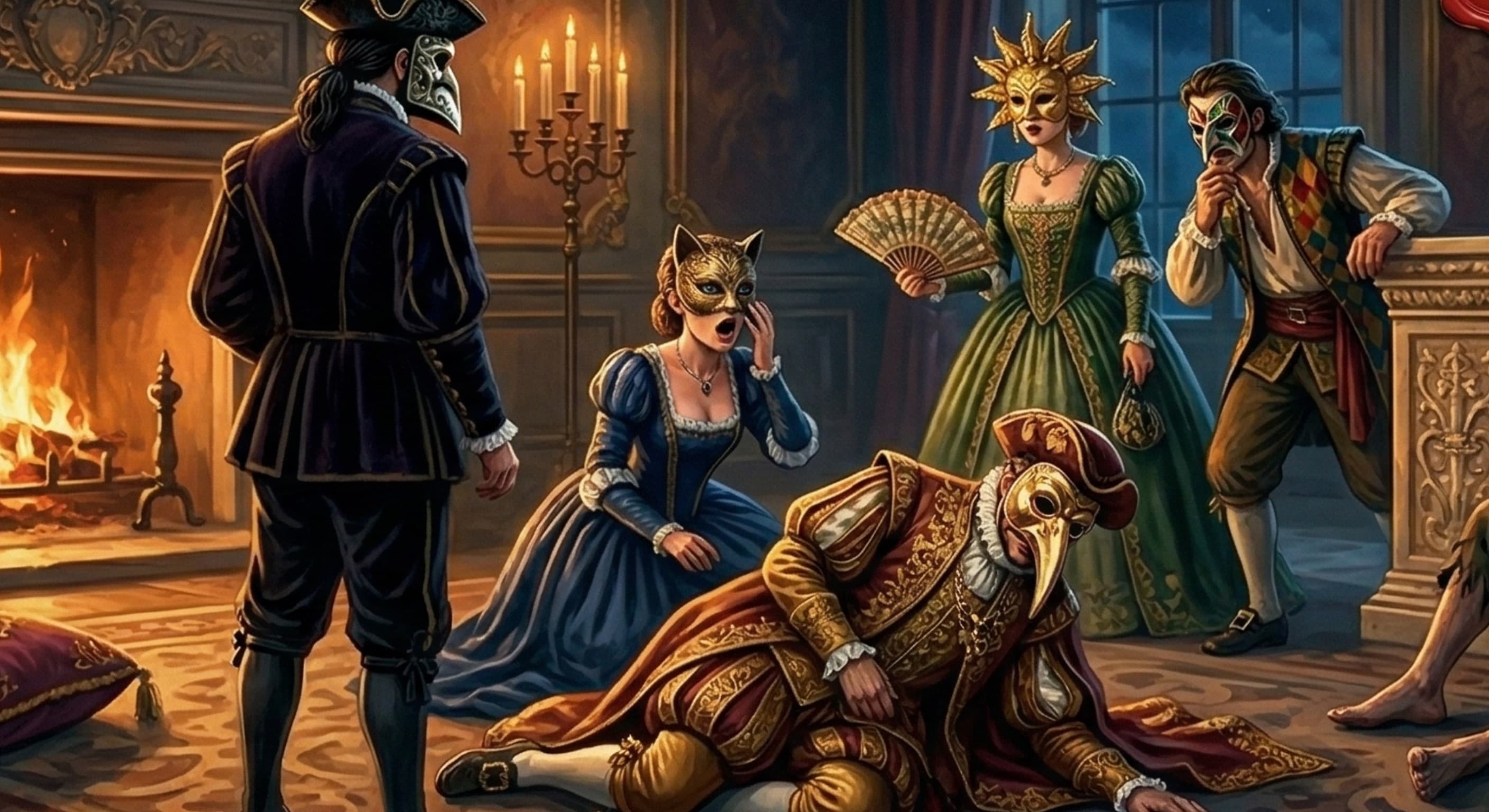
This is the part that surprises people most. Playing a character is usually described as putting yourself out there, but in practice it works as a screen. Anything you say is said by an invented person with invented motives, so nothing is a personal disclosure and nothing can be embarrassing in your own name. If you say something clumsy, your character said it. If you accuse someone incorrectly, your character was wrong. The social stakes that make ordinary parties tiring are largely removed, because nobody is forming an opinion of you based on the evening. Many quiet guests find they take conversational risks they would never take as themselves, and enjoy the discovery. This is also why shy teenagers often commit harder to a scenario than confident adults do: the mask is a relief, not a burden. You do not need an accent or a performance for this to work. Simply answering as your character is enough.
What to ask your host for
You can improve your evening substantially with one message before the party. Ask the host for a character who holds concrete information rather than one built around big dramatic scenes. Every scenario has both kinds. An information-heavy character has a specific job, which means other guests come to you rather than the reverse, and you always know what to say when they do. Being approached is far easier than approaching. Also ask to receive your sheet a few days early rather than at the door, so you can read it twice and think about it. Arriving prepared removes most of the first-hour discomfort. If costume worries you, ask what level the host expects and then do the minimum, because one accessory is always sufficient and nobody remembers who wore what. Finally, tell the host you are not a performer. Good hosts adjust casting quietly and nobody else ever knows the conversation happened.
Hosting as an introvert, which is stranger than it sounds
Quiet people often make better hosts than outgoing ones, which most guests would not predict. The host job is structure: timing, clue distribution, noticing who has been left alone, and reading four short written passages aloud. Total speaking time is around twelve minutes across three hours, all of it scripted. There is no improvising and no need to be the center of attention. What the role gives you is a legitimate reason to move through the room without holding long conversations, which is a genuine relief at your own party. You are busy, visibly, at all times. Hosts also tend to notice the stranded guest first, because they are watching rather than talking, and that attentiveness is exactly what makes an evening work for everyone else. Kits on /murder-mystery-kits are written so the guide carries the host through every decision, which is what makes the role manageable without stage presence.
When a party is genuinely the wrong call
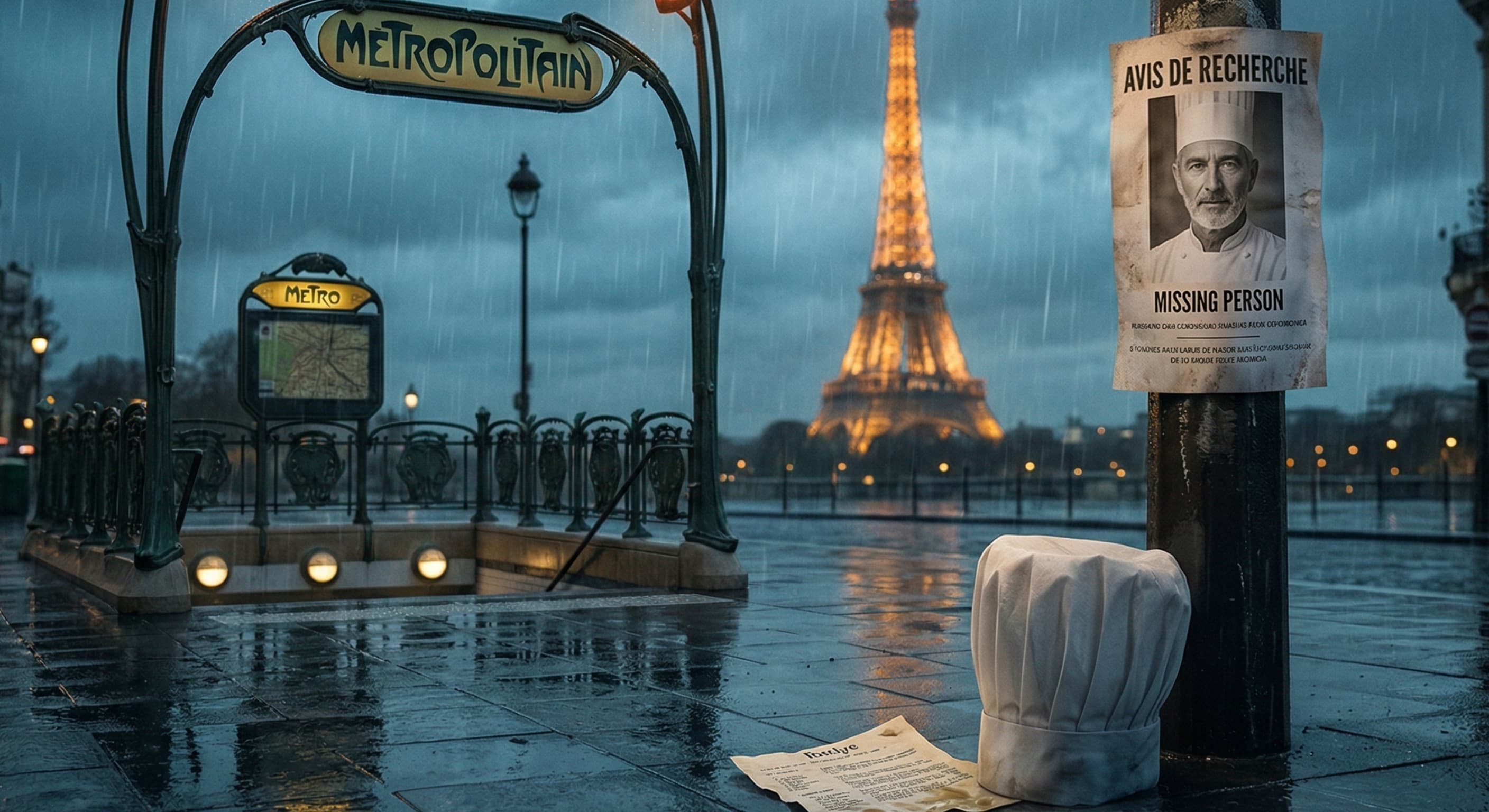
It would be dishonest to claim the format suits everyone. If three hours of continuous conversation with ten people sounds bad regardless of structure, that is a real preference and not something to argue yourself out of. The genre has another format that delivers the same deduction with none of the social load. A detective case file is a dossier of documents you investigate alone or with one other person, with no host, no characters, no costume and no scheduling. Same crime, same evidence, same moment of working out who did it, sitting at a kitchen table on a Sunday. Files on /detective-case-files are thirty-nine dollars and download instantly. Trying one first is also a low-risk way to find out whether you enjoy the deduction itself before committing to an evening with other people attached to it. If you love the case file, the party is worth one attempt. If the case file bores you, you have your answer cheaply. Both formats also make sound gifts, which is worth knowing for anyone hunting for a present for a person who reads crime novels.
Frequently asked questions
Do you have to act at a murder mystery party?+
No. You answer questions using the facts on your character sheet, in your normal voice, in ordinary conversation. Some guests add an accent and a costume for fun, but the mystery resolves identically either way and nobody is judging performances. Most people keep the sheet in hand and refer to it all evening.
What is the best character for a shy guest?+
One that holds specific information other players need, rather than one built around dramatic confrontations. Information-heavy characters get approached rather than having to approach, and always have something concrete to say. Ask your host before the party and they will cast you accordingly without mentioning it to anyone.
Can you sit out part of the evening?+
Yes. Stepping into the kitchen for ten minutes is completely normal and goes unnoticed, since guests are constantly moving between conversations. The only parts where you need to be present are the opening passage, the reveal, and your own thirty second accusation.
Is there a quieter alternative for people who dislike parties?+
A detective case file, which is a printable dossier you investigate alone or with one other person. No host, no characters, no guests, no scheduling. It delivers the same deduction and the same solved-it moment at thirty-nine dollars, and it can be paused and picked up again the next evening.