The rowhouse, the group house and the building lounge
Capitol Hill, Logan Circle, Shaw, Petworth and Columbia Heights are built on rowhouses, and the older stock gives you the classic front parlor, dining room and kitchen arrangement that separates a gathering space from a conversation space. That separation is what the format needs. Georgetown's federal houses offer the same with more stairs and smaller rooms, so cap the guest list accordingly. Renovated properties are frequently opened up into a single floor, in which case use furniture and lamps to create two or three zones and give the evidence table its own light. Group houses, still common here among people in their twenties and thirties, are the underrated venue: multiple common rooms, a basement, a back deck and housemates who are usually willing to play. Newer apartment buildings in Navy Yard, NoMa and along 14th Street have club rooms residents can reserve, typically for a deposit with a fixed closing hour, which handles a group of sixteen comfortably.
A calendar shaped by session, recess and the holidays
Washington's social year does not follow the weather, it follows the working calendar, and any host who ignores that will schedule badly. September through mid December is the strongest stretch, with the city back at full speed, the weather comfortable and a genuine appetite for evening plans. August is the month to avoid entirely, since the humidity is punishing and a large share of the professional city is out of town. Late March and April are lovely but crowded with visitors around the cherry blossoms, which makes driving and parking near the core unpleasant. January and February work well for indoor evenings, with the caveat that two inches of snow will close things here in a way it would not further north. The other local rule is the working week. Weeknights end earlier in Washington than in most cities, so a Tuesday party needs a hard finish and a Saturday is worth the wait.
The one city where a spy plot is the obvious choice
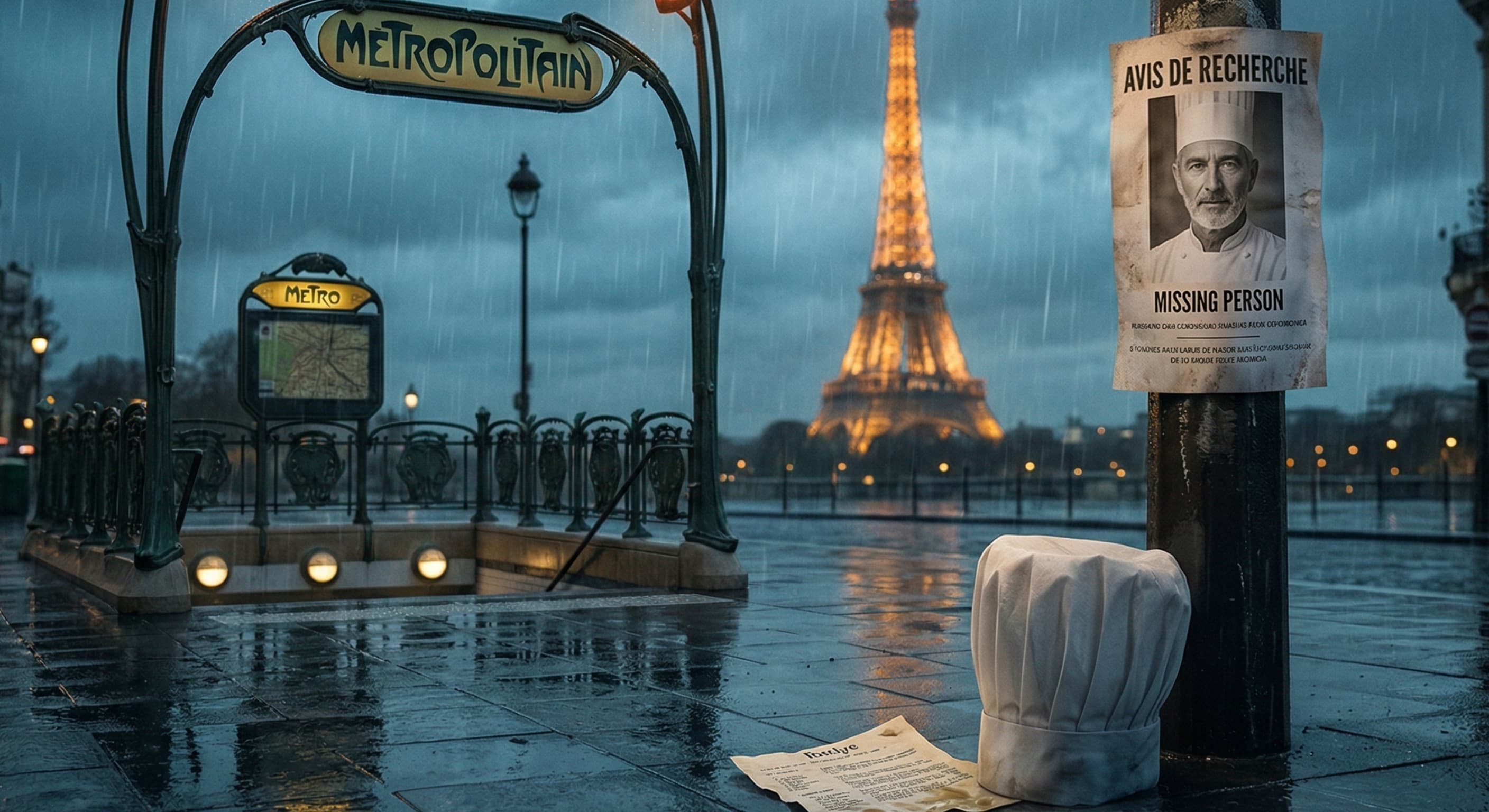
Espionage is Washington's native genre and you should use it. This is a city with a museum devoted to spycraft, a Cold War history of dead drops in its own parks, an embassy row, a famous hotel and office complex whose name became shorthand for a political scandal, and thousands of residents who hold clearances and cannot discuss their jobs at dinner. A scenario built around a leaked document, a mole, a compromised source or a file that has gone missing therefore requires no world building at all, and your guests will bring an unusual amount of enthusiasm and a certain amount of professional pedantry to it. The adjacent option is the political scandal plot, which works equally well provided you keep it fictional and period, since a story set in the 1970s lets everyone enjoy the machinery without anyone relitigating last week. Name the fictional agency something plausible and the evening plays itself.
A transient city and the what do you do problem
Washington's population turns over constantly. Hill staffers, graduate students, consultants, foreign service families and military postings mean a typical guest list contains several people who arrived within the last eighteen months and several more who will leave within the next two years. The social consequence is a city that is good at receptions and bad at friendships, where conversation defaults to work because it is the only shared reference available. A character sheet removes that default entirely. Every guest has an assigned identity, an assigned motive and a written reason to approach every other person in the room, and for three hours nobody's actual employer is relevant. Hosts who run one of these for a new neighborhood group or a mixed circle tend to be asked to do it again, because the format builds the kind of acquaintance that a dozen happy hours does not. Cast recent arrivals as characters everyone must consult.
Timing an evening in a city that gets up early
Washington works early hours and the social calendar reflects it. On a weeknight, invite for half past six, open at seven, run three shortened rounds of twenty-five minutes and be at the reveal by half past nine, which lets people be home by ten. On a Saturday you have the room to do it properly: invite for seven, open at half past, three rounds of thirty-five minutes with food between the first and second, and a reveal around eleven. Metro access is the local advantage, so pick a venue near a station and say which one in the invitation, because guests who do not have to drive will drink more comfortably and stay later. If you are in a building club room, confirm the closing hour before setting any of this. And send character sheets four days ahead, since this is a city where people genuinely prepare. Several of your guests will have read theirs twice and made notes, which raises the quality of the first round considerably.
Offsites, team events and doing it without a vendor
Washington has an enormous market for professional facilitation, and the organizations here, from agencies to nonprofits to consultancies, are used to paying a vendor per head for team events. Those quotes climb quickly for a team of twenty and come with a fixed date that has to survive everyone's travel. A printable kit is 39 to 59 dollars for the whole group as an instant download, with no procurement lead time, no contract and no shipping to schedule, which for a government adjacent office is often the deciding factor. For a team of twenty, run two parallel games of ten in separate rooms and bring everyone together for the reveal. Choose a scenario carefully for a workplace audience, avoiding romantic entanglements between colleagues and anything that singles a person out. Guidance on scenario choice, room setup and the debrief is on /murder-mystery-team-building, and player ranges for every scenario are listed on /murder-mystery-kits.
Keeping the fiction fictional
One piece of advice matters more here than in any other city. Keep the scenario away from current politics. A room containing people who work for different offices, different parties or different agencies will enjoy an espionage plot set in 1962 and will not enjoy a plot that maps onto anything currently in the news, however cleverly you think you have disguised it. Period settings solve this completely: a Cold War embassy, a wartime code room, a 1970s newspaper investigation, a nineteenth century legation. Everyone gets the pleasure of intrigue with none of the real world friction. It is also worth saying in the invitation that nothing said in character reflects anyone's actual views, which sounds unnecessary and visibly relaxes a Washington room. Handle that one thing well and you will find this city produces some of the most committed murder mystery players in the country, because the subject matter is, in the most literal sense, close to home.
Frequently asked questions
When is the best time to host a murder mystery party in Washington DC?+
September through mid December is the strongest stretch, when the city is back at full speed and the weather is comfortable. January and February work well indoors. Avoid August, when the humidity is punishing and much of the professional city is out of town.
What kind of scenario works best for a Washington guest list?+
Espionage and political intrigue, set firmly in the past. A Cold War embassy, a wartime code room or a 1970s investigation gives guests the genre they enjoy most without any risk of the evening turning into a current affairs argument across party lines.
Can this work as a weeknight event?+
Yes, with a compressed schedule. Invite for half past six, open at seven, shorten the rounds to twenty-five minutes and reach the reveal by half past nine. Pick a venue near a Metro station and say which one in the invitation so nobody has to drive.
How does a kit compare with hiring a facilitator for an office event?+
A printable kit is 39 to 59 dollars for the whole group as an instant download, with no contract, no procurement lead time and no shipping. Vendors quote per head and lock a date. For a team of twenty, run two parallel games of ten and hold a shared reveal at the end.