Why the restaurant version disappoints so reliably
The problem with a Valentine's dinner is not the food, it is the format. Two people sit opposite each other in a room full of other pairs doing the same thing, with an implicit expectation that the conversation will be better than usual because the date says so. That is a lot of pressure to put on a Tuesday. Restaurants make it worse by running a fixed menu at double price with two seatings, so you are also being quietly moved along. An investigation replaces the pressure with a shared task. You sit on the same side of the problem rather than across from each other, there is something concrete to talk about, and the evening produces a result. Couples who have been together fifteen years often report this is the difference: not a more romantic evening, but a more interesting one, which for most long-term pairs is the actual scarcity.
The two-player option: a detective case file at home
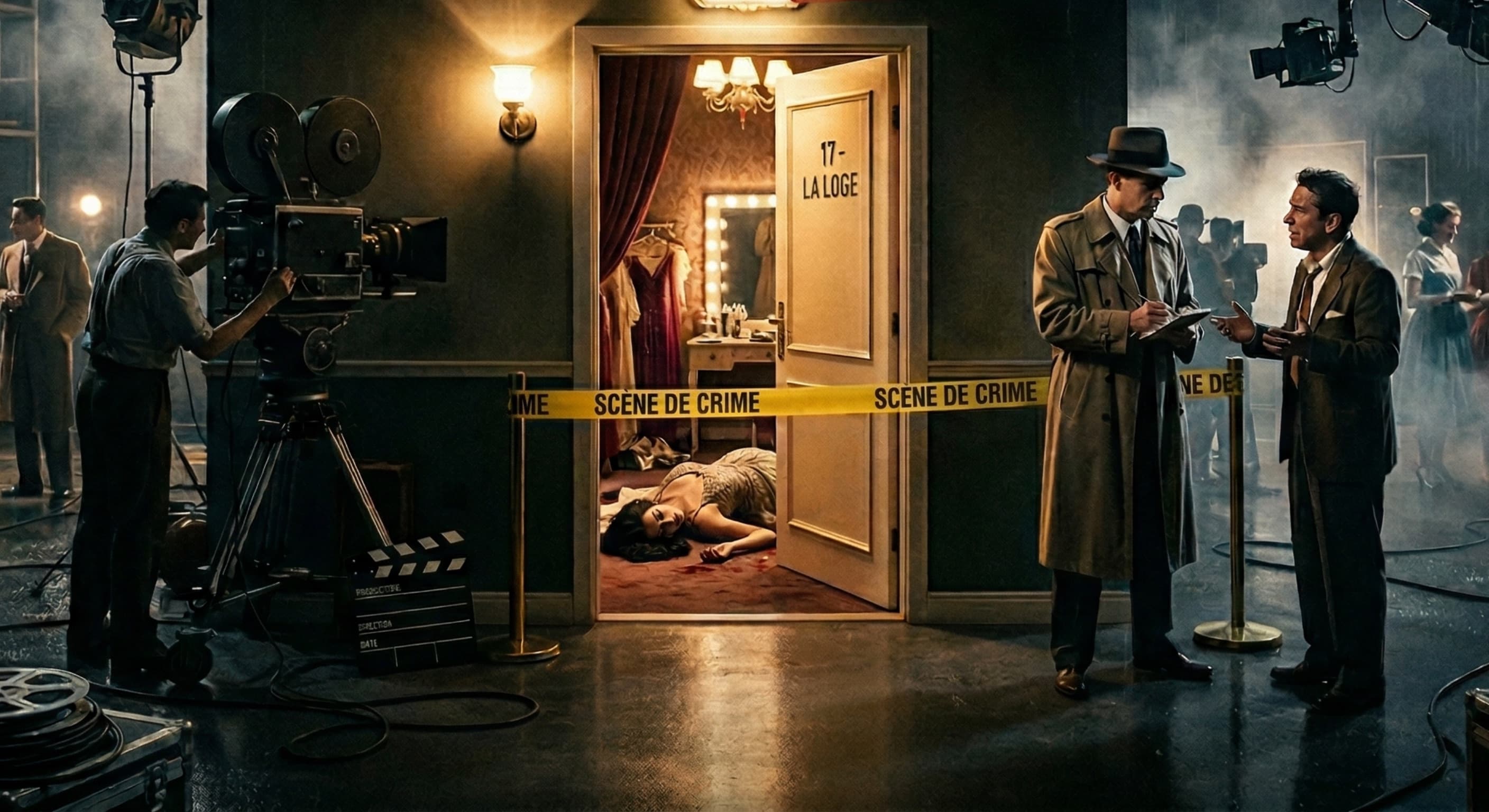
For a night in with one other person, a party scenario is the wrong tool, since it needs a cast. What fits is a detective case file, a document-based investigation built for one or two players at 39 dollars, described on /detective-case-files. It arrives as a PDF you download and print, and what you get is a case folder rather than a game with rounds: witness statements, police reports, photographs, letters, timetables, and physical evidence to lay out across a table. There is no host, no facilitator, and nobody who knows the answer, which is what makes it work for two. You both start from zero. Plan two to three hours, put the phones away, cook something simple beforehand rather than during, and clear a large table so the documents can spread out. The satisfaction comes from disagreeing about a suspect and then finding the detail that settles it. Nobody is timing you either, so a case that runs long simply becomes an evening that ran long, which on this particular date is the point.
Setting up a two-player evening properly
A few small decisions raise this from a printout on a kitchen table to an evening. Print the case file the day before, in color if you can, because the photographs and handwritten documents are most of the atmosphere. Use slightly heavier paper for the evidence if you have it. Clear a proper surface and set it up before dinner so the reveal of the table is part of the night. Lower the lights, put on something instrumental, and open the folder together rather than one person reading ahead. Agree at the start that neither of you looks at the solution until you have both committed to a suspect in writing, which is the rule that makes it a game rather than a reading exercise. Eat first or eat alongside, but keep the food away from the documents. If you solve it quickly, most case files include a second layer of detail explaining how it was done, which is worth reading aloud.
The party option: Valentine's with a room of friends
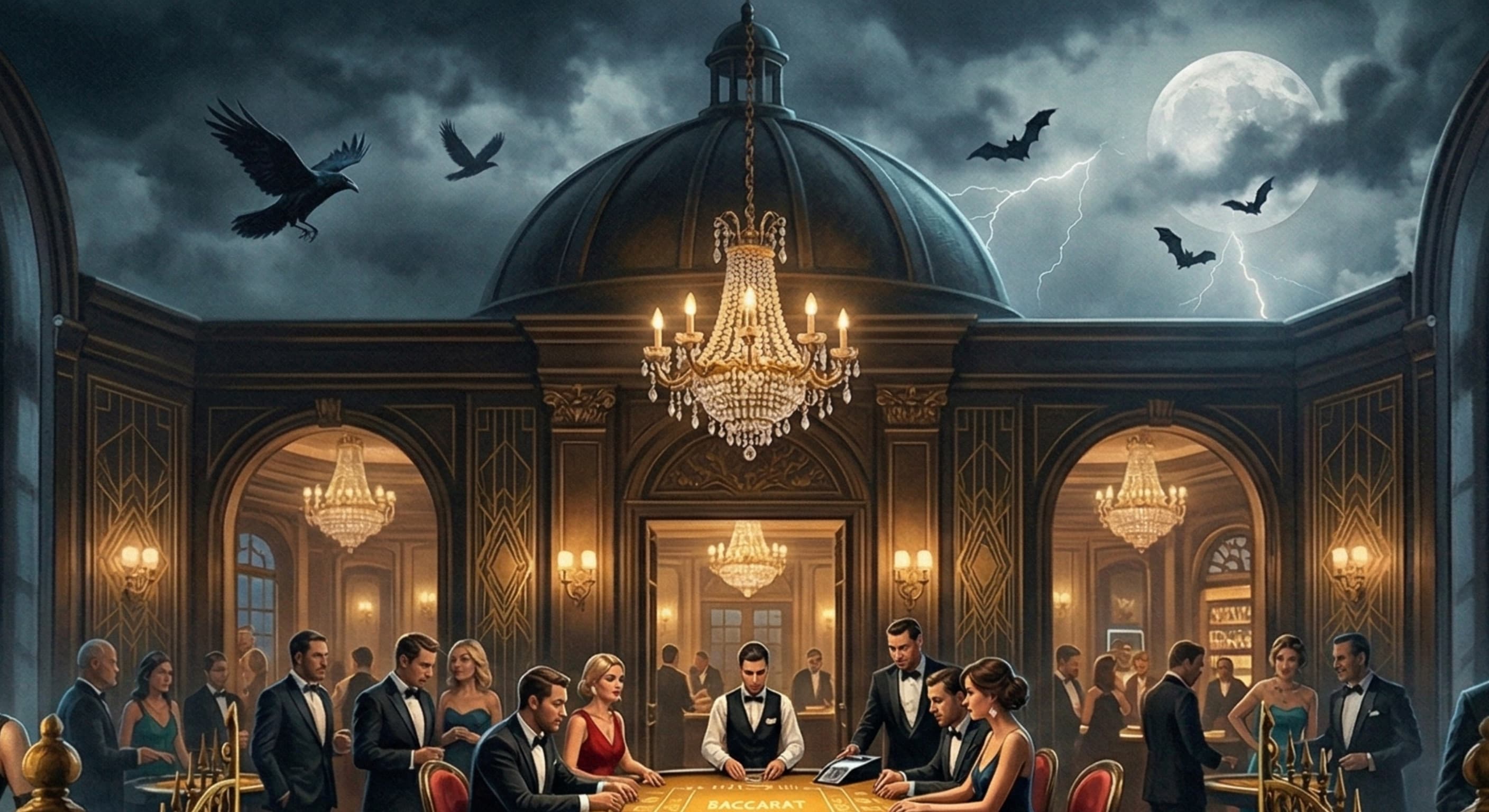
If your Valentine's involves a group rather than a pair, the party format is the better fit and the date gives you a theme for free. Six to twelve players, character sheets sent a few days ahead, three rounds of investigation and a reveal. A noir scenario suits the evening particularly well: a nightclub, a private detective, a missing person, and a cast full of people with reasons to lie. The occasion also licenses a level of dressing up that guests will happily do on this particular night and resist on most others. Kits on /murder-mystery-kits run 39 to 59 dollars for the whole group, which for ten people is about three dollars each, comfortably below one restaurant appetizer at February prices. Send invitations two weeks out and be explicit that this is a murder mystery party rather than a dinner, so nobody arrives expecting a seated meal and a toast.
Running it for singles without making it a singles event
A group Valentine's evening can go wrong in one specific way, which is becoming an event about being single. The fix is to make the mystery the whole point and the date incidental. Do not theme it around romance, do not pair people up in the casting, and do not make any speech about the occasion. Choose a plot where the drama is about money, ambition or revenge rather than love triangles, which also avoids the awkwardness of two friends playing a romantic entanglement. Cast people into roles with conflict and information, mix the social groups deliberately if your guests come from different circles, and let the evening be a good party that happens to fall on February fourteenth. Guests who came specifically to avoid thinking about the date will appreciate that nobody mentioned it. If anyone brings a partner, cast them separately so they are not simply a pair in the corner.
Couples at a party: split them up
If your guest list is mostly couples, the single most important casting decision is to separate them. Two people who arrived together and were cast as allies will talk to each other all evening, which produces the one outcome the format is supposed to prevent. Give each of them business with someone else in the room, and if the scenario supports it, put them on opposite sides of a conflict. Couples consistently report that playing against each other is the most entertaining part of the night, and it makes the drive home a continuation rather than a debrief. The one thing to check is tone. Avoid casting a real couple as a fictional couple with an infidelity storyline, especially in front of friends, because that is a joke with an unpredictable landing. Conflict over money, a business, or an inheritance is funnier and carries no risk at all. If both halves of a couple end up suspecting each other by the final round, the evening has done exactly what it was supposed to do.
Timing, food and the practical details
For either format, prepare everything before the evening starts. If it is two of you, cook something that is finished before you open the case file, because standing at a stove while your partner reads the witness statements defeats the purpose. If it is a party, serve something small on arrival, the main spread between rounds one and two, and dessert after the reveal. Buy and print several days ahead rather than on the day, since the fourteenth is not a good afternoon to discover the printer is out of cyan. Everything is a download, so there is no shipping to wait for and no delivery date to miss, which is the practical advantage over anything you would have had to order in January. Plan three hours for a party and two to three for a case file, and do not schedule anything afterward, because the conversation about who you suspected and why is the part people remember.
Frequently asked questions
What works better for two people, a case file or a party kit?+
A case file, without question. Party kits need a cast of six or more and a host who knows the solution. A detective case file at 39 dollars is designed for one or two players, has no host, and lets you both start from zero and work through the evidence together.
Is a murder mystery too dark for Valentine's Day?+
It reads as noir rather than grim, which suits the evening. Choose a plot driven by money, ambition or revenge rather than love triangles, especially with couples present, and the tone lands closer to a detective film than anything unpleasant.
Can I host a Valentine's party for friends without it feeling like a singles night?+
Yes. Do not theme it around romance, do not pair people in the casting, and do not mention the date in any speech. Run it as a good party that happens to fall on the fourteenth and guests who came to avoid the subject will be glad you did.
How far ahead do I need to buy it?+
Everything is an instant PDF download, so technically the same day. In practice buy several days ahead so you can print calmly, read the host guide, and sort the materials. For a party, send character sheets three or four days before the fourteenth.