Why the era decides more than the plot
Ask someone about a murder mystery party they went to three years ago and they will not describe the twist. They will say it was the one in the speakeasy, or the one on the train. The setting is what survives, because it is the part every guest participates in from the moment they pick an outfit. It also determines the practical difficulty of your evening in ways that are easy to miss. Some eras give guests an obvious costume they already own and some require explanation. Some produce motives that a modern audience understands instantly and some need a paragraph of context before the crime makes sense. Some suit a large standing room and some only work around a table. Choose the era first, then choose the plot within it, and half the hosting decisions make themselves. One more filter before you start: pick a world your guests would enjoy spending three hours inside even if nobody died. If the answer is no, the scenario is fighting you before it begins. Every scenario on /murder-mystery-kits lists its era and player count up front for exactly this reason.
Prohibition America, roughly 1926
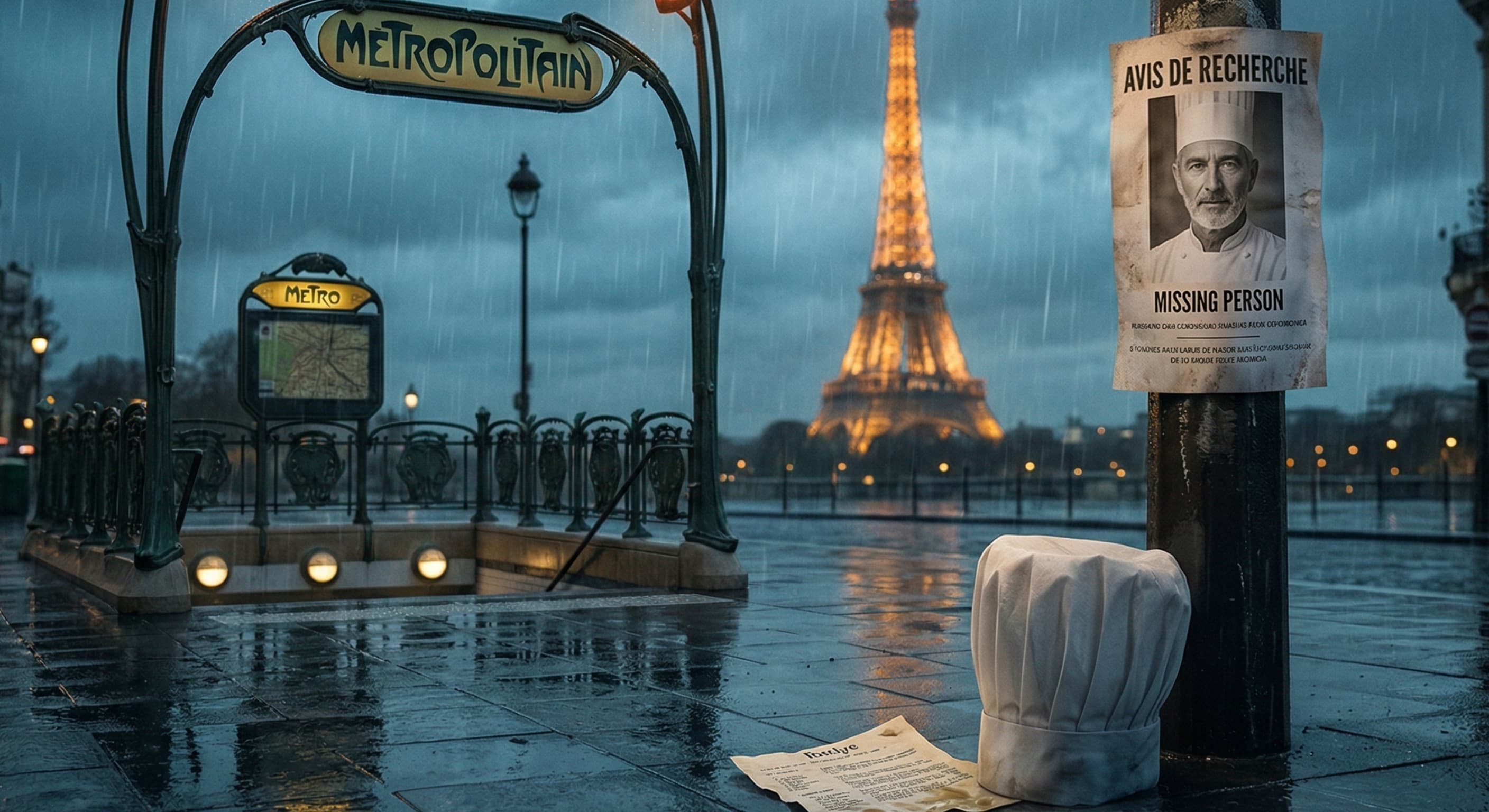
The speakeasy is the most reliable choice in the catalog and the one to pick if you are hosting a mixed group or hosting for the first time. Costume is its great advantage: a dark dress with any beaded or fringed detail, or a shirt with suspenders and a hat, and a guest is convincingly in period using clothes they mostly own. Nobody needs a research session. The motives are equally accessible. Bootlegging money, a federal agent hiding their identity, a club owner in debt to the wrong people, a singer who saw something backstage. All of it is legible to any American audience within one sentence. Practically, Prohibition suits a standing party with a bar better than any other era, which makes it the best fit for larger groups of twelve to twenty who will circulate. Music does enormous work here: a hot jazz playlist at low volume is instantly the 1920s. The risk is that it is popular enough that some of your guests will have played a speakeasy scenario before, so look for a plot with an unusual angle rather than a generic club owner mystery.
Hollywood noir, roughly 1947
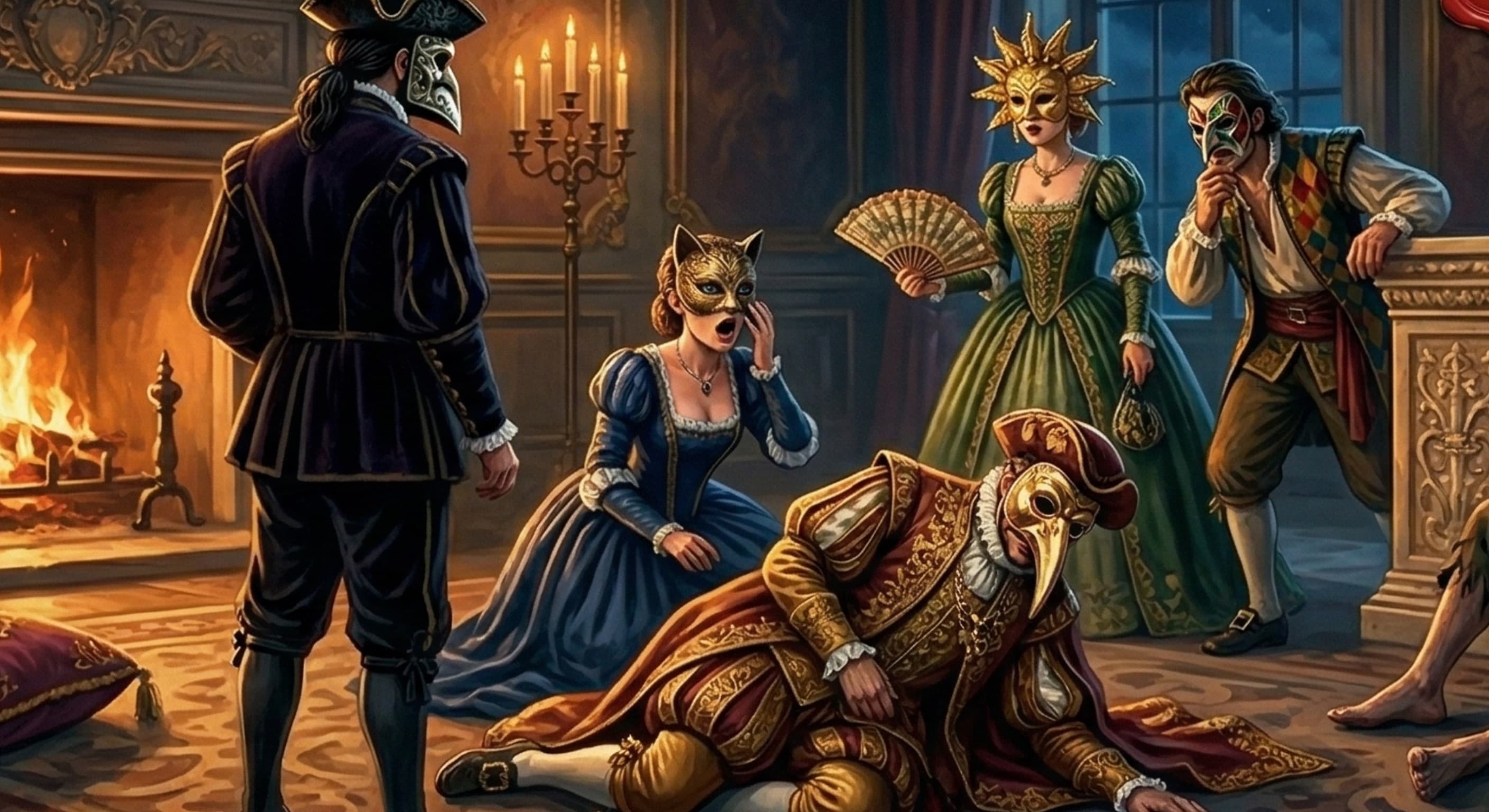
Noir is the most atmospheric of the three and the most rewarding for a group that likes to act. It moves the setting to postwar Los Angeles: a studio backlot, a producer's house in the hills, a private investigator's office with a frosted glass door. The tone is darker and more adult than Prohibition, with motives built from blackmail, a career about to end, a contract that ruined someone, a secret from before the war. That gives your guests meatier material, but it demands a little more from them, because noir has a voice and a group that will not lean into it plays the same scenario flatter. Costume is easy but skews formal: dark suits, wide lapels, hats, a red lip, a trench coat. The lighting is where noir pays you back more than any other era. Venetian blind shadows made with strips of card taped over a lamp, one hard light source, deep shadows in the corners, and your room is a film set. Choose noir when your guests are adults who will commit, and when you want the evening to feel like a story rather than a game.
The Orient Express and the golden age train
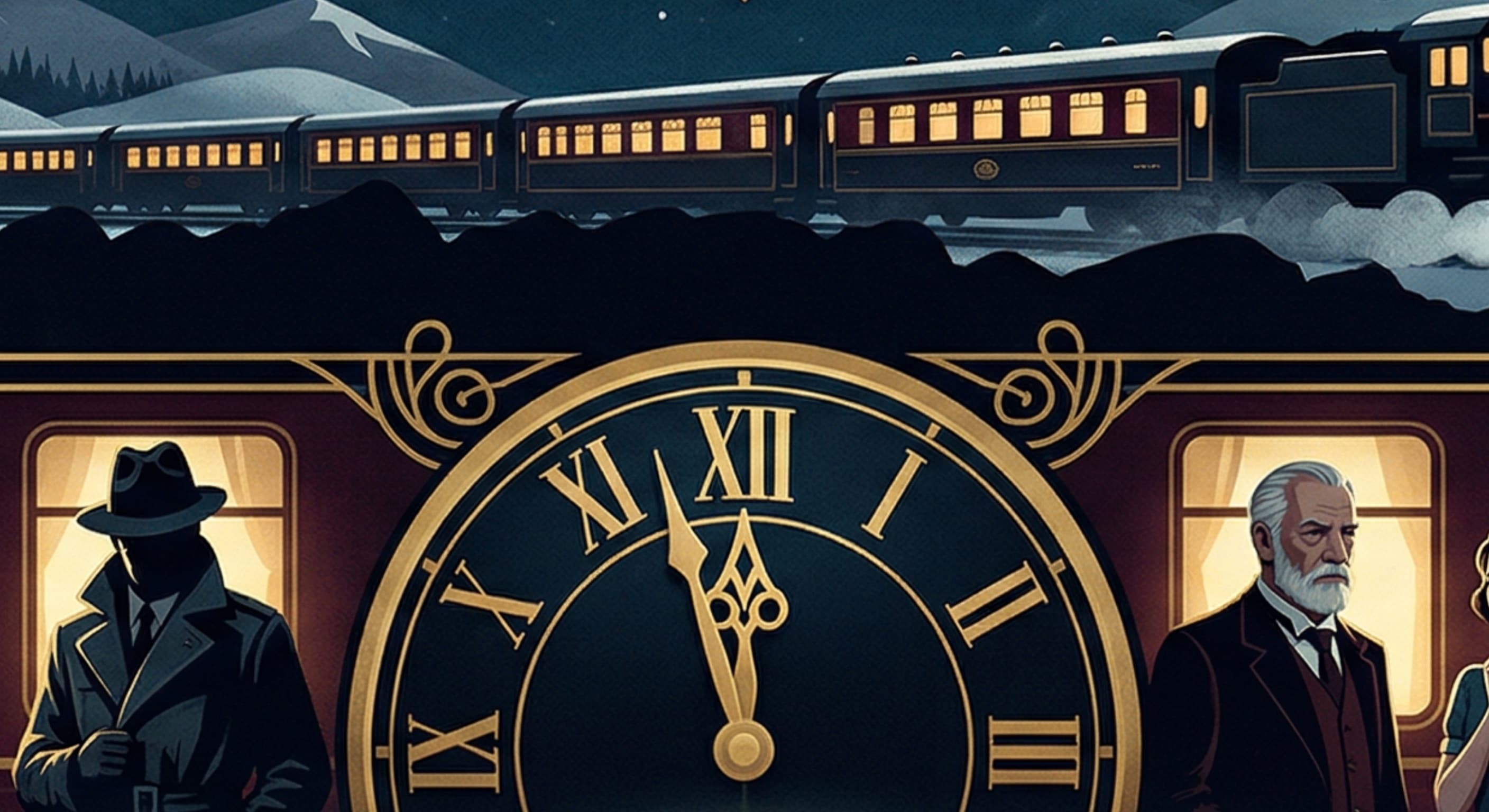
A murder on a train in 1934 is the purest form of the genre and the one with the tightest built in logic. Everyone is trapped, nobody can leave, the suspect list is closed, and the snowdrift outside does all the work that a host would otherwise have to do to keep guests in the room. That constraint is a real gift for a first time host. The era also produces the most elegant costume brief in the catalog: traveling clothes of the 1930s, which means anything formal with a coat, a hat or gloves, and it flatters everyone. The catch is spatial. A train is a corridor, and the scenario assumes a group seated around a long table or moving between two or three defined compartments, which means it works beautifully for eight to fourteen people in a dining room and poorly for twenty people spread across an open plan house. If you have a long table, this is the era that uses it best. Dress the table with a white cloth, a luggage tag at each place and one suitcase in the corner, and the illusion is complete.
Three more eras worth knowing about
Beyond the big three, a few settings solve specific problems. Victorian London is the choice when your guests want puzzles rather than performance, because the genre's conventions carry so much that players can lean on the fog, the gaslight and the inspector without inventing much. It suits a group of readers and an evening built around deduction. The Gilded Age, meaning an American mansion in the 1890s, gives you inheritance and new money motives with grander costumes and works well for an anniversary or a formal occasion. The 1970s is the sleeper pick and the one to choose when your group is skeptical of costume parties: the clothes are funny rather than intimidating, the music is recognizable, and motives built around a record label, a political scandal or a failing hotel are perfectly believable. Avoid contemporary settings, which sound easier and are not, because cell phones destroy every classic mystery mechanic and guests spend the evening asking why nobody called the police. If none of the available eras fits your group, a scenario from /custom-murder-mystery can be written into any world you choose.
Matching the era to your group and your room
Three questions settle it. First, will your guests dress up, honestly? If half of them will not, choose Prohibition or the 1970s, where a single accessory is enough. If they will, noir and the Gilded Age reward the effort most. Second, what shape is your space? A long table seating everyone points to the train or a country house. An open apartment where people will stand and circulate points to the speakeasy. A single room you can light hard and leave dark points to noir. Third, how much do you want to explain? Prohibition needs no briefing at all. Noir needs one paragraph about the tone. The Gilded Age and Victorian London need a short note about who has money and why it matters. Write that briefing into the invitation rather than delivering it on the night. One last practical point: check the player count before you fall in love with a setting, because a train scenario written for twelve does not stretch to eighteen, and a scenario running short on players loses suspects faster than it loses atmosphere.
Frequently asked questions
Which era is best for a first time host?+
Prohibition. Costumes come out of your guests' own closets, the motives need no explanation, the music does the atmosphere for you, and the format tolerates a standing party where people circulate. It is also the most forgiving if your guest count changes in the final week.
Which setting works best for a large group?+
A speakeasy or a hotel, because both assume a crowd moving between conversations. A train scenario is the opposite: it is written for a group seated together and starts to feel thin above about fourteen players. Check the stated player count on the kit before choosing the era.
Can we set a murder mystery in the present day?+
You can, but it is harder than it sounds. Cell phones dismantle the classic mechanics, since a modern guest will ask why nobody called the police or checked a security camera. Period settings are popular because the absence of technology is what makes a closed circle of suspects believable.
What if my guests refuse to wear costumes?+
Choose Prohibition or the 1970s and set a one item rule: dark clothing plus a single accessory you already own, named for each character. You will still get a coordinated room in photographs, and guests who intended to do nothing usually arrive having done something.