What a detective case file actually is
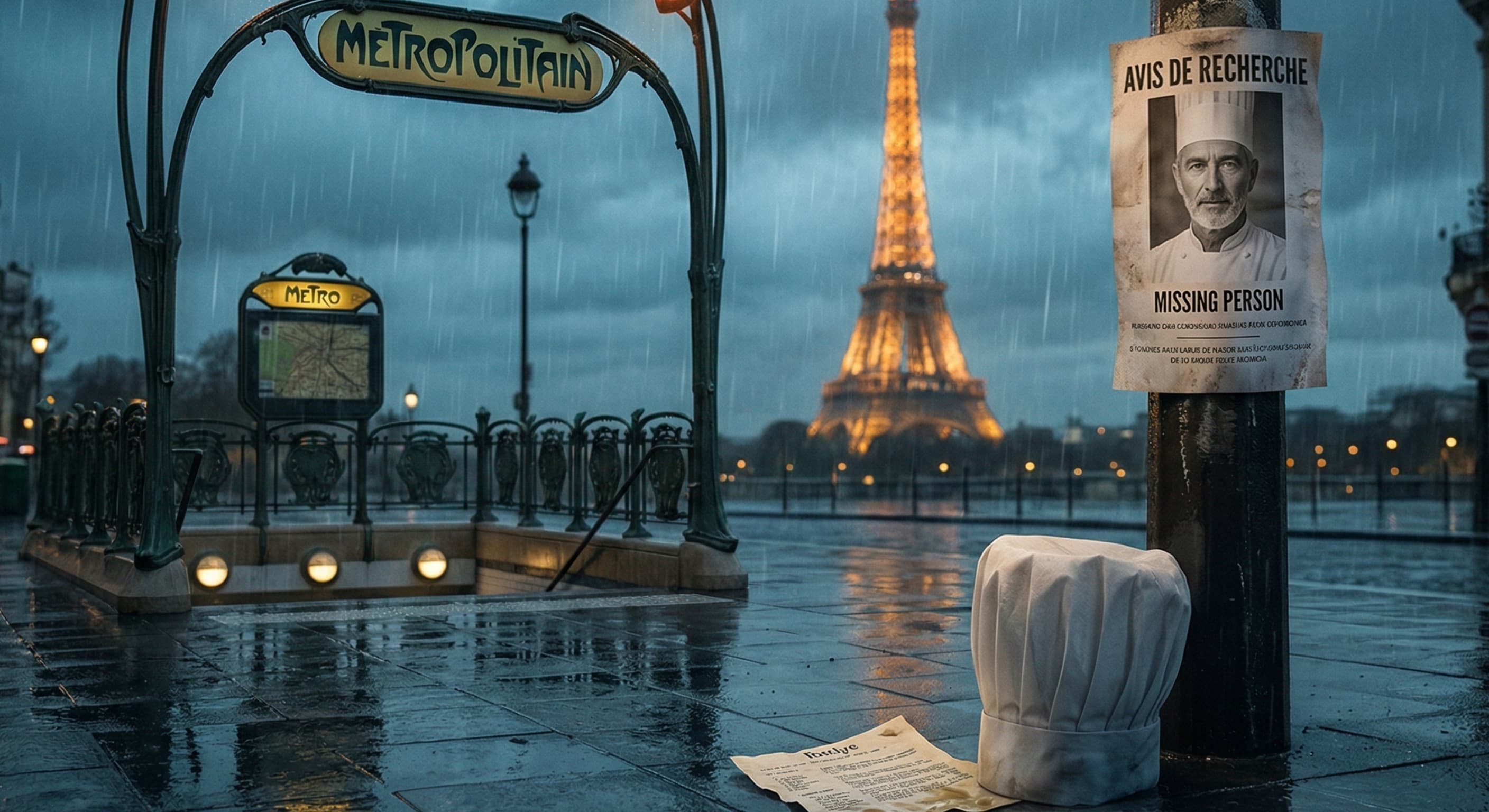
A detective case file is a printable dossier reconstructing an unsolved investigation. Instead of characters and role play, you receive the raw material: police reports, witness statements, autopsy summaries, photographs of the scene, phone records, handwritten letters, newspaper clippings, and the investigator's own notes. Everything is a PDF you download instantly and print, so a case can go from purchase to kitchen table in half an hour. There is no host, no facilitator and no one who knows the answer in advance, which is the key difference from a party kit. Both players work from the same evidence with equal footing, exactly like two detectives assigned to the same case. The solution is sealed at the end of the pack, to be read only once you have committed to a theory. Case files on /detective-case-files are 39 dollars each and take roughly two hours to solve.
How it differs from a party kit
A murder mystery party is a social event built on conversation. Its pleasure comes from watching a friend lie badly, from the accusations, from the room full of people. A case file is a puzzle built on documents. Its pleasure comes from the moment two timelines fail to match and you realize someone is lying on paper. The practical differences follow from that. A party needs a group, a date everyone can make, a cleared space and some hosting effort. A case file needs a table and two hours. A party gives every player partial information, so no one can solve it alone. A case file gives both players everything, so progress depends on reading carefully rather than extracting information from someone else. Neither format replaces the other. Most people who enjoy one end up buying the other, because they scratch related but genuinely different itches.
What a typical two hour session looks like
You open the file and read the covering brief, which explains who died, when the body was found and why the case went cold. Then you spread the evidence across the table. The first thirty minutes are sorting: grouping documents by person, by date, by location, whatever structure suggests itself. The middle hour is where the work happens. You build a timeline, usually on a spare sheet of paper, and start noticing that a statement places someone somewhere a receipt contradicts. You argue with each other, which is the best part, because two readers notice different details and defending a wrong theory out loud is how the right one surfaces. The last thirty minutes are the commitment phase: naming a suspect and writing down the reasoning before you open the solution. Reading the answer having written your theory down is far more satisfying than reading it cold.
Who it suits
Couples are the obvious audience, and a case file makes an unusually good evening at home: it costs less than dinner out, lasts longer, and produces an actual conversation rather than parallel screen time. Roommates and close friends work equally well, particularly pairs who like puzzles but would not sit through a board game. It also works solo, though the experience changes: without someone to argue with you lose the debate that drives most breakthroughs, so solo players tend to take longer and read more carefully. Parents with older teenagers have good results too, since a case file is one of the few activities where a fifteen year old and an adult are genuinely on equal terms. What it does not suit is a group of six looking for a party, or anyone who wants costumes and performance. That is what /murder-mystery-kits are for.
The evidence you handle and why it matters
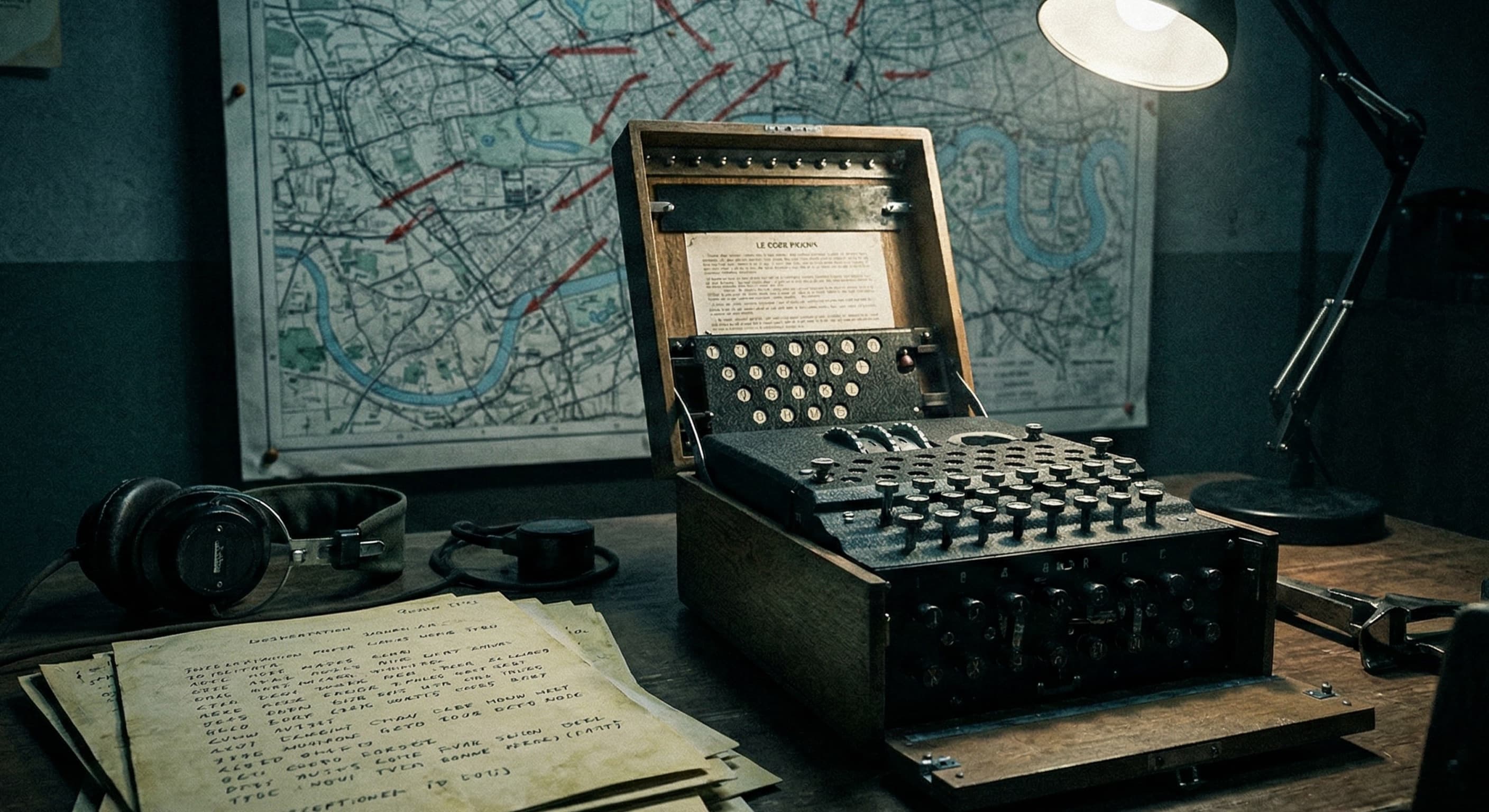
The quality of a case file lives entirely in its documents, because there is nothing else. A good pack gives you materials that look and read like the real thing: a witness statement written in the voice of a nervous person rather than a novelist, a police report with the institutional dryness of an actual form, a letter with the crossings-out of someone drafting under pressure. Photographs matter because scene details you notice in an image are impossible to convey in prose. Phone logs and receipts matter because they are the unglamorous documents that break alibis, and cracking a case on a timestamp feels far more earned than being handed a confession. Print the photographic evidence in color if you can and the text documents in black and white. Laying everything out physically rather than reading from a screen is not a nostalgic preference, it genuinely helps you see connections.
Difficulty, hints and getting unstuck
Case files are designed to be solvable from the evidence alone, without leaps of intuition or outside knowledge. That said, getting stuck is part of the format and not a sign you have missed something obvious. The standard recovery is to rebuild the timeline from scratch rather than rereading documents in the same order, because a fresh structure exposes gaps the old one hid. If a specific person's movements are unclear, pull every document mentioning them and read only those. Most packs include staged hints you can consult without revealing the solution, so use them rather than abandoning a case at the ninety minute mark. Expect to be wrong at least once. Committing to a theory, discovering the contradiction that kills it and rebuilding is the intended experience, and cases that give up their answer on a first pass are the ones nobody remembers a week later.
When to choose a case file over a party
Choose a case file when the number of people is two, when the date is tonight, or when nobody wants to host anything. It requires no invitation, no costume, no food plan and no cleared room. Choose it also as a way to test whether your group enjoys investigation before committing to organizing a full party, since 39 dollars and two hours is a small experiment. And choose it when you want the analytical half of the genre without the social performance, which is a genuine preference and not a lesser one. Plenty of people who love solving a case would rather not act in front of friends. If you already know you want the party, buy the party. If you are between the two, or if the evening you are trying to fill is a quiet one, the case file is the format that fits.
Frequently asked questions
How long does a detective case file take to solve?+
About two hours for two players, sometimes longer if you rebuild your timeline after a wrong theory. Solo players usually take longer because there is no one to argue with, and arguing is what surfaces most of the contradictions in the evidence.
Can you play a detective case file more than once?+
Not with the same players, since the solution cannot be unknown once read. You can pass the printed file to friends or reprint it for a different pair, which many buyers do. The files remain yours after purchase so a second printing costs nothing but paper.
Do I need to print a case file or can I read it on screen?+
You can read it on screen, but printing is strongly better. Laying documents out physically lets you compare two statements side by side and spot contradictions that scrolling hides. Print photographs in color and text documents in black and white.
Is one player enough, or do I really need two?+
One works and plenty of people solve cases alone. Two is better because the format rewards disagreement: defending a theory out loud is how most players find the flaw in it. Three is the practical maximum before someone ends up reading over a shoulder.