The parlor game ancestor
Long before anyone printed a character sheet, Victorian and Edwardian households played a game usually called Murder in the Dark or Wink Murder. The rules were minimal: slips of paper assigned one player the role of murderer and another the role of detective, the lights went out or the murderer began winking at victims, and the detective questioned the survivors. Everyone else told the truth except the murderer, who was permitted to lie. That single asymmetry, one player licensed to deceive while everyone else is bound to honesty, is the mechanical heart of every murder mystery party still sold today. The Victorian version had no plot, no motive and no clues. It was a five minute diversion between charades and cards. What it established was the social contract: a group of friends agreeing that for a short period one of them is secretly lying and the rest are trying to catch them. Everything added since has been decoration on that idea.
Detective fiction supplied the rules
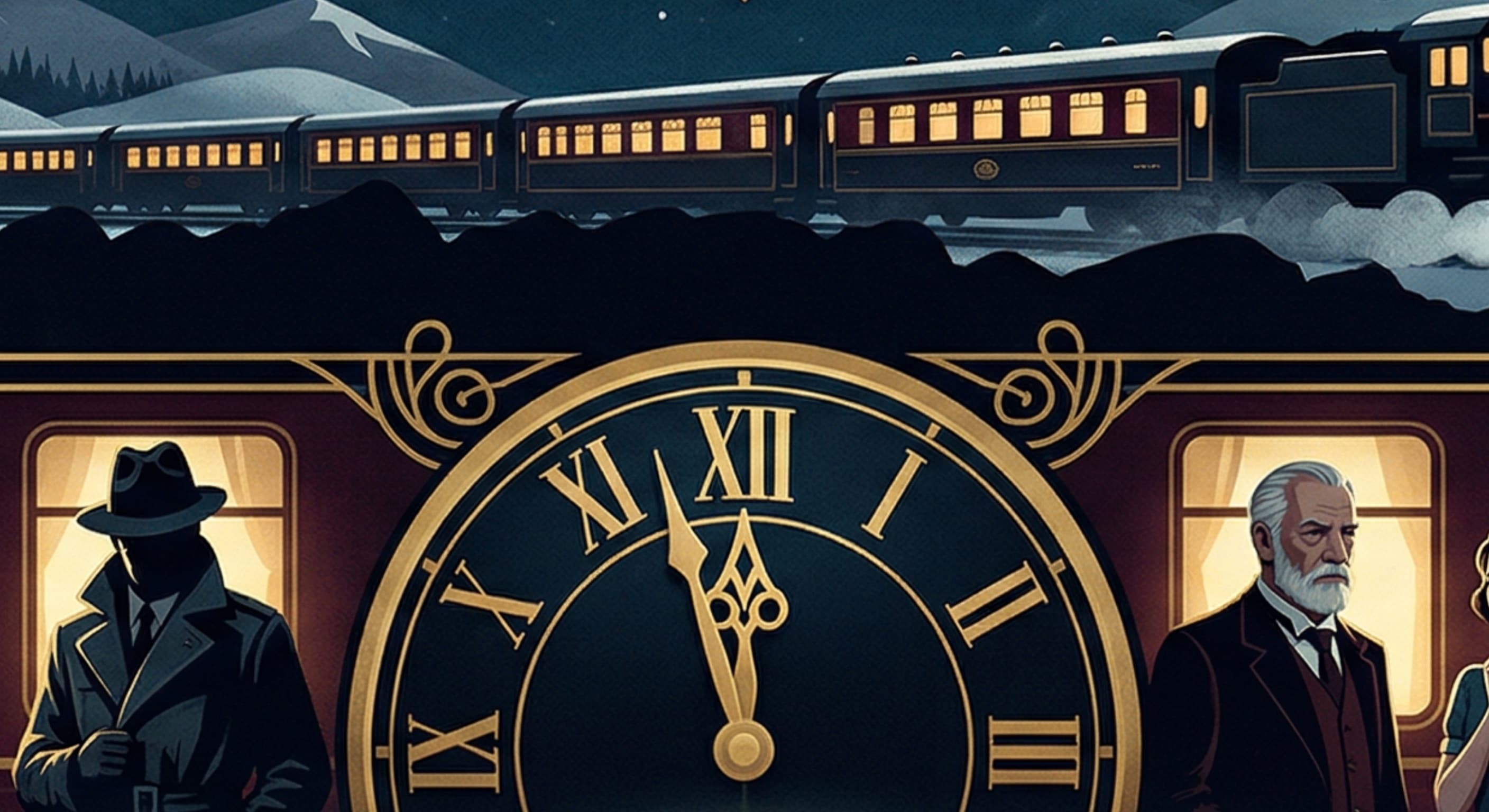
The 1920s and 1930s produced the run of detective novels now called the Golden Age, and with it a set of expectations about how a mystery should be constructed. Writers took fairness seriously enough to codify it. Ronald Knox published a list of commandments for detective fiction at the end of the 1920s, S. S. Van Dine published a longer set of rules around the same time, and the Detection Club was formed in London in 1930 with members including Agatha Christie and Dorothy L. Sayers. The shared principle was fair play: the reader must be given every clue the detective has, the culprit must be introduced early, and the solution must not depend on information withheld until the last page. That principle transferred directly into party scenarios. A well-written kit hands out every piece of evidence the players need before the accusation round, which is why solving one feels earned rather than arbitrary. The novels also supplied the furniture: the country house, the stranded train, the closed circle of suspects who cannot leave.
1936 and the crime dossier
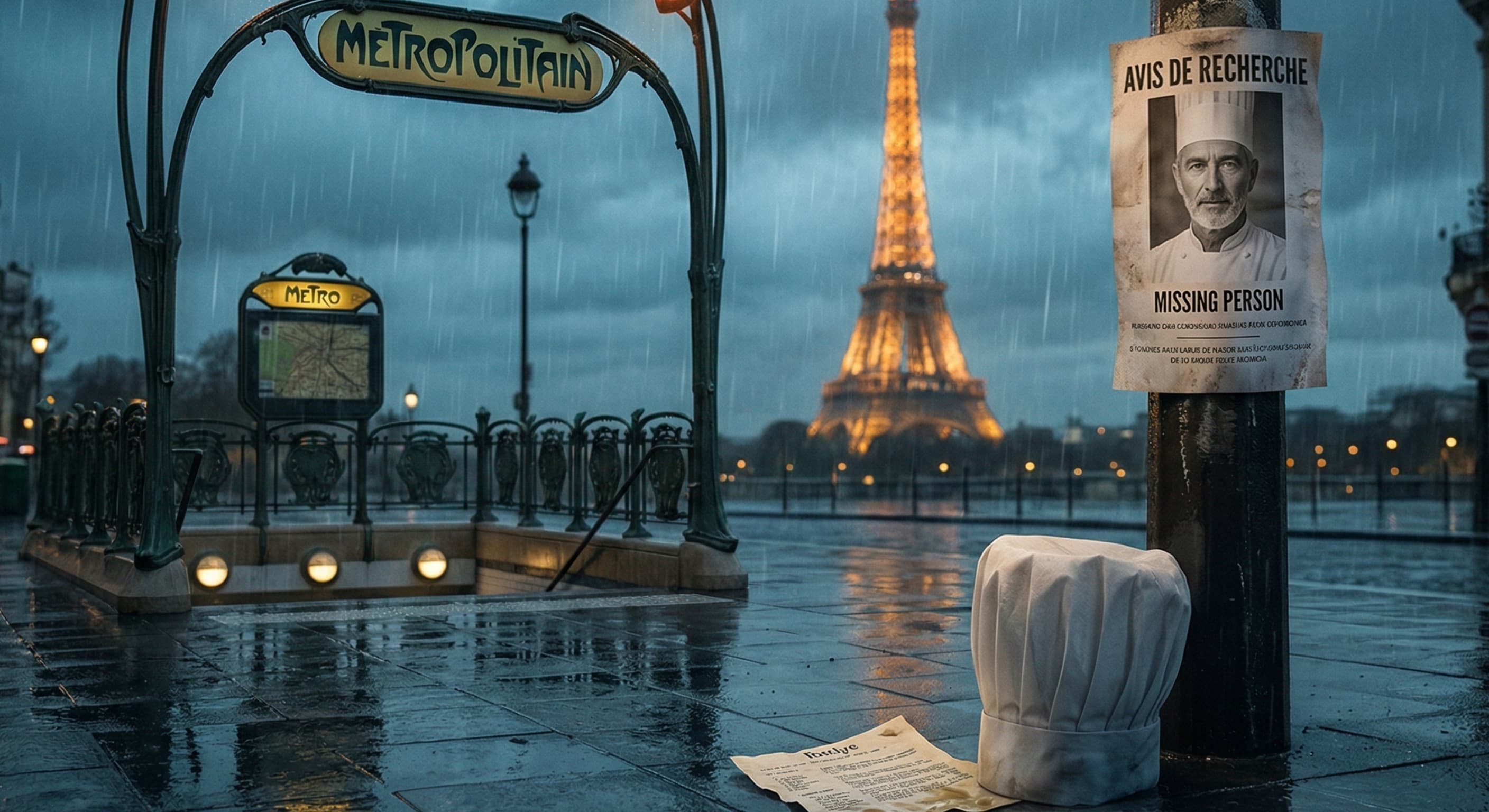
The most direct ancestor of the modern kit was a publishing oddity. In 1936 Dennis Wheatley and J. G. Links released Murder Off Miami, a case presented not as a novel but as a police dossier. Readers received facsimile documents: telegrams, typed reports, photographs, and physical clues glued to the pages, including hair, a used matchstick and a fragment of bloodstained curtain. The solution was printed in a sealed section at the back, and the reader was invited to name the culprit before breaking the seal. It sold in very large numbers and spawned several sequels over the following years. Everything that defines a detective case file today comes from that format: documents instead of narration, physical evidence you handle, and a sealed answer you have to earn the right to read. It also proved that the pleasure of a mystery is not only in reading about a detective. It is in being handed the evidence and doing the work yourself.
Clue, and the suspect list as a system
In 1949 a board game designed by Anthony Pratt reached the market, published in Britain as Cluedo and in the United States as Clue. Its contribution was structural rather than literary. It reduced a mystery to three variables, a person, a weapon and a room, and it gave players a formal method for eliminating possibilities. Millions of people learned the grammar of a mystery from that grid: a fixed cast of named suspects, each with a color and a reputation, in a closed house where everyone had an opportunity. The game had no characters in the dramatic sense, no motives worth discussing and no dialogue. But it made the shape of a whodunit common knowledge across two generations, so that by the time party formats arrived nobody needed the concept explained. When a host today says there are eight suspects and one of them did it, guests already know what game they are being invited into.
The 1980s: the boxed dinner party
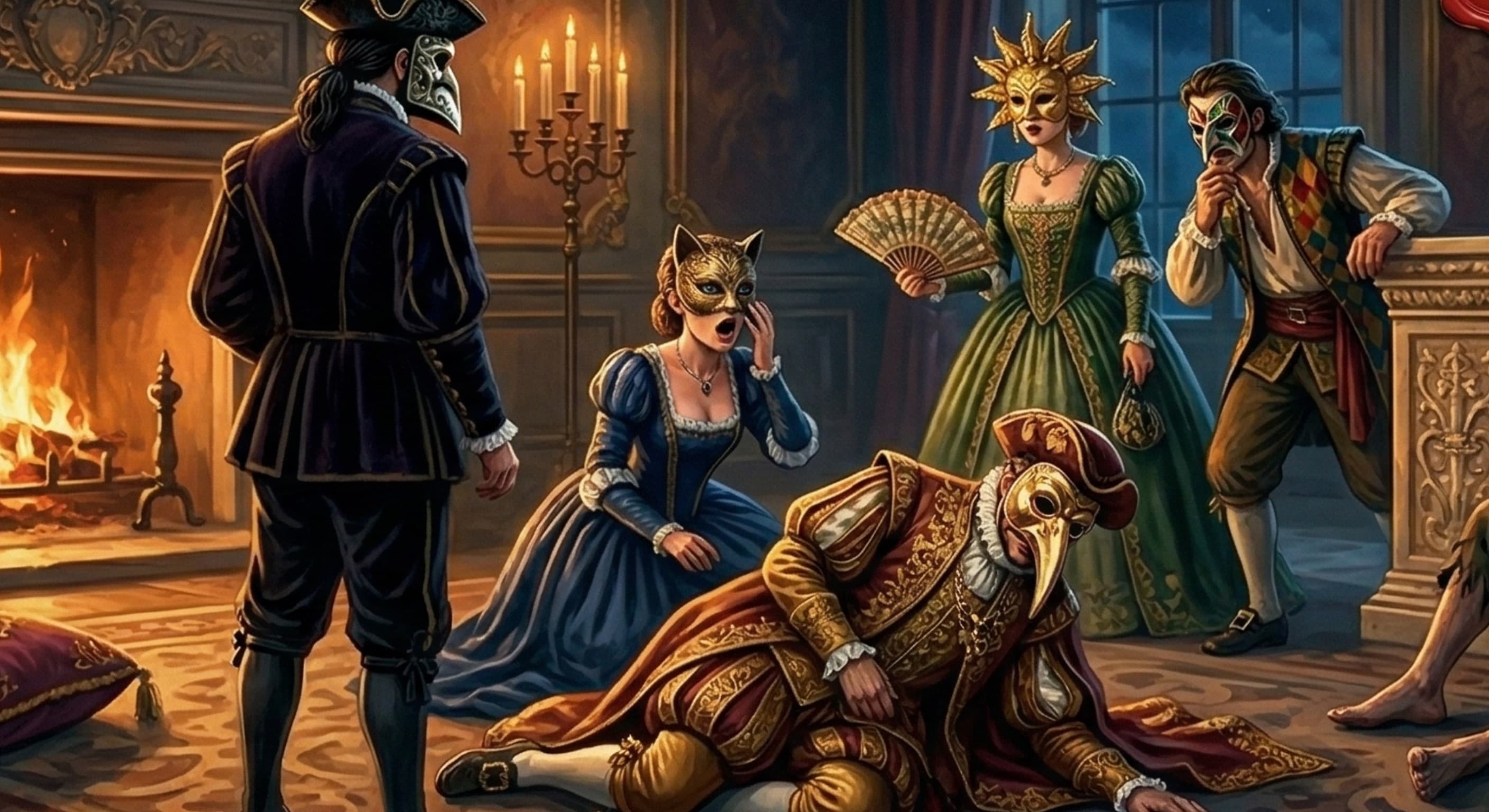
The recognizable murder mystery party arrived in the mid-1980s, when boxed dinner party games began appearing in stores, the best known line being How to Host a Murder. The innovation was combining three older elements into one product: the parlor game asymmetry, the Golden Age plot, and a dinner party that already existed on the calendar. Each box contained character booklets to be distributed in advance, an audio cassette that delivered the narration, clue materials, and a sealed solution. Guests were told to arrive in costume. The same decade saw hotels begin selling murder mystery weekends, where a paying group spent two days in a country house working through a plot performed by actors. Between the two, the format moved from a five minute parlor diversion to an entire evening or weekend with a script, and it acquired the thing it had lacked since the Victorians: a story worth spending three hours inside.
What the internet changed, and what it did not
The boxed set had three structural weaknesses. It had to be shipped, which meant deciding a week or more in advance. It came in fixed player counts, so a group of nine had to buy for twelve or squeeze into eight. And it was expensive to produce, which kept the number of available scenarios small. Downloadable PDFs removed all three constraints at once. A host can now choose a scenario on a Wednesday and run it on a Saturday, print exactly the sheets needed, and reprint free of charge when a guest spills wine on their character. Prices fell to the thirty-nine to fifty-nine dollar range because there is no cardboard, no warehouse and no retailer margin. What did not change is the writing, which is still the whole product. A printable kit from /printable-murder-mystery-kit succeeds or fails on the same qualities Knox listed a century ago: clues that are fair, suspects who are all plausible, and a solution that feels inevitable only afterward.
Why the old format survived every upgrade
Formats that survive a hundred years usually do so because they solve a social problem rather than an entertainment one. A murder mystery party gives a group permission to talk to each other with purpose. It supplies a reason to approach the person you have not spoken to, a script for the first thirty seconds, and a shared goal that makes the conversation matter. That is why it outlived the parlor, the cassette tape and the cardboard box without changing shape. Every technological improvement has been logistical: faster delivery, cheaper production, more scenarios. The core has been stable since a group of Victorians drew slips of paper out of a hat. If anything, the modern version is closer to the original than the 1980s boxed set was, because instant downloads make the whole thing casual again. You no longer plan a production. You decide on Wednesday that Saturday should be interesting, and you print. Choosing a scenario on /murder-mystery-kits now takes about as long as choosing a film, which is roughly the amount of planning the format was always meant to require.
Frequently asked questions
When were murder mystery parties invented?+
The modern party format took shape in the mid-1980s with boxed dinner party games, but its parts are much older. The social mechanic comes from Victorian parlor games like Wink Murder, the plotting conventions from 1920s and 1930s detective fiction, and the physical evidence format from 1930s crime dossiers.
What was the first murder mystery game?+
There is no single first. Victorian parlor murder games came first, Dennis Wheatley and J. G. Links published the Murder Off Miami crime dossier in 1936, Clue reached the market in 1949, and boxed dinner party kits with character booklets arrived in the mid-1980s. Each added a different piece.
What is fair play in a murder mystery?+
It is the rule, formalized by detective novelists around 1930, that the audience must be given every clue the detective has. In party terms it means the culprit is a real character, the evidence is distributed before the accusation round, and nothing essential is revealed only in the final passage.
Are printable kits better than the old boxed sets?+
They are more flexible rather than automatically better. Downloads let you buy on short notice, print only the characters you need, and reprint damaged sheets for free, and they cost less because nothing is manufactured or shipped. What a box still offers is a physical object on a shelf, which some people genuinely prefer.