Why a studio lot is built for a mystery
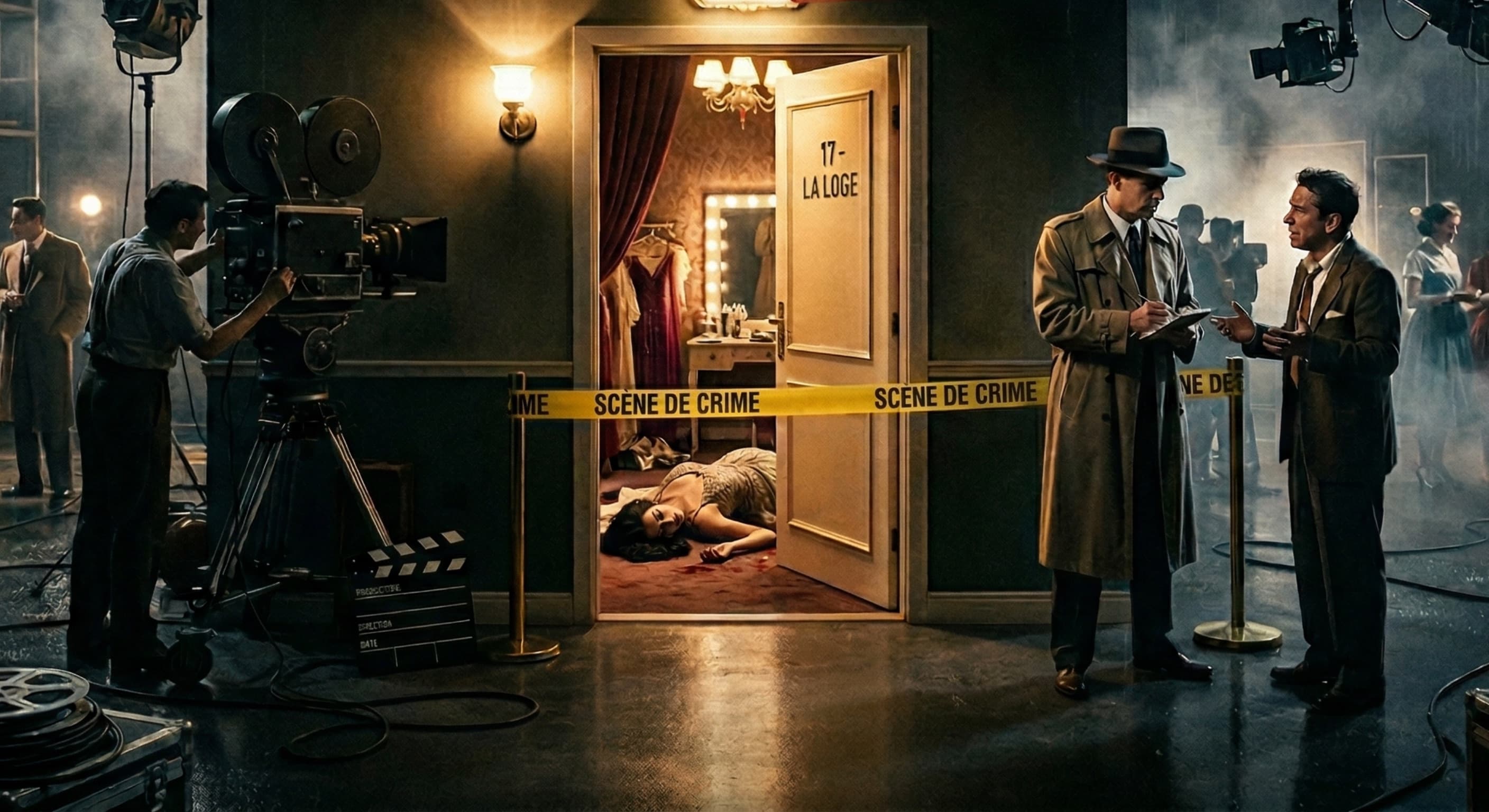
In 1948 a studio owned its stars in a literal, contractual sense. It decided who they dated, what their names were, where they were photographed, and what the public would never learn. That structure hands a host a room full of people with documented secrets and a powerful organization dedicated to burying them. Suspicion becomes a question of who benefits from silence rather than who had a knife, which produces sharper conversations than a straightforward crime. The setting also flatters your guests. Everyone gets to be somebody who matters, or somebody who is convinced they should. A fading star, a rising ingenue, a director with one failure too many, a columnist who can end a career in a paragraph. Those relationships are already adversarial before anything happens, so the first round has heat in it. Best of all, the theme rewards commitment without requiring acting skill, since the characters are people who are always slightly performing anyway.
Costumes that read as 1940s without a rental
The look is more about silhouette and grooming than specific garments. For women, a dress with defined shoulders and a nipped waist, seamed or plain stockings, a red lip, and waved or rolled hair covers it, and a dark suit with a white blouse works just as well for a studio executive or a reporter. For men, a suit with a wide lapel, a tie, and hair combed back with product is enough, and a hat carried rather than worn signals the era immediately. A trench coat turns any guest into a detective or a columnist. Sunglasses indoors mark a star hiding from the press. Crew and staff roles are the easiest: a clipboard and a headset stand in for an assistant director, and a set of overalls covers a grip. Tell guests to pick one element and commit to it. A red lip, a hat, or a pair of dark glasses does more in a photograph than an entire rented outfit that arrives the day before.
Dressing a room like a studio or a bungalow
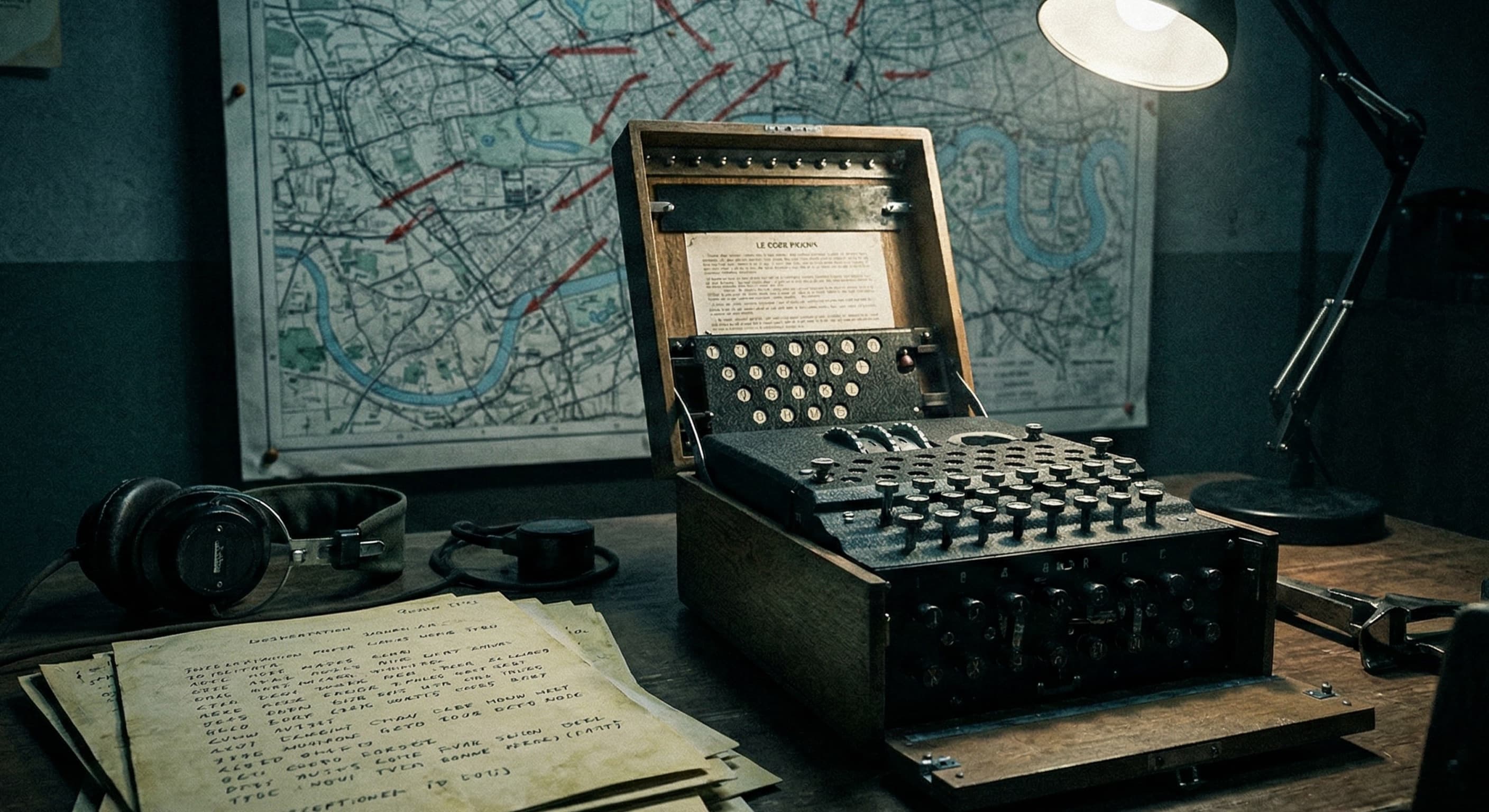
You have two easy options. Option one is the private screening room: chairs facing one direction, a projector or a television playing a silent black and white film with the sound off, low lamps, and a bar cart. Option two is a bungalow party: warm lamps, a record player, palm fronds or a large houseplant, and a long low table. Either version is mostly about black, white, and gold. Print fake studio material, which is where this theme earns its money. Call sheets, contract pages, a gossip column mocked up as newsprint, telegrams, a script with a scene crossed out. Those documents are the best clue props of any theme because they look real and players read them carefully. Add a clapperboard if you can find one cheaply, and stand a floor lamp at an angle to throw a hard shadow on one wall, which turns any corner into a noir photograph. Total cost is paper, ink, and a lamp.
Music, and the one film to leave running
Big band and swing at conversation level is the obvious choice and it works, but the more interesting option is orchestral film score of the period, which makes the room feel like it is inside a movie rather than at a dance. Keep it low. Vocal standards are useful between rounds because guests recognize them and relax. Leave a projected film running silently in the background all evening, which does an extraordinary amount of atmospheric work for zero effort and gives guests something to gesture at. Choose something visually busy and dialogue free enough that it does not pull focus. For round transitions, use a sound with meaning in this world: a clapperboard snap, a phone ringing, a flashbulb. If you can find a cheap flash unit or use a phone light, a photographer character taking pictures at unwanted moments is one of the best interactive props any theme offers, and it produces photographs your guests will actually want afterward.
Plots powered by publicity
The strongest golden age plots are about what the studio has already buried. A death on set two years ago recorded as an accident. A marriage arranged to hide something. A contract with a morality clause about to be enforced. Give one character the job of fixing these problems, and make that fixer the person everyone has spoken to privately, which turns them into a lightning rod of information. The columnist is the second essential role, since a character who can publish a rumor gives players a weapon they can actually use during the game. Let players feed the columnist true and false information, and have the columnist publish something mid game that reshapes the room. Physical clues should be paper: a canceled check, a hotel register, a memo initialed by someone who denies knowing about it. If you want a scenario tailored to particular people in your group, the process on /custom-murder-mystery is designed for that, and ready made titles are on /murder-mystery-kits.
Where the Hollywood theme goes wrong
The first trap is impressions. Guests who attempt famous voices lose the thread of their own character within twenty minutes, so ask people to play invented names rather than real actors. Using real historical figures also puts you in the awkward position of inventing crimes for people who existed. The second trap is glamour with no consequences. If no character is afraid of losing something, the theme becomes a dress up party. Every player should have a specific thing the studio can take away. The third is anachronism in the props, since a modern magazine or a visible phone breaks a visual period harder than a wrong word does. The fourth is too many stars, because a cast of six leading actors has no one to interrogate. Fill at least a third of your roles with people who work for a living: a script girl, a driver, a makeup artist, a studio lawyer. Those characters see everything and are almost always the most fun to play.
Frequently asked questions
Should guests play real actors from the period?+
It is better to use invented characters. Real names encourage impressions, which distract from the plot, and inventing crimes for real people is uncomfortable. Fictional stars with clearly recognizable archetypes give you all the glamour and none of the awkwardness.
What year should I set it in?+
Anywhere between 1938 and 1952 works. The late 1940s is the richest choice, since it combines studio power at its peak with the noir tone most guests associate with the era. State the year in your invitation so costume choices land in the same decade.
Is this theme good for a mixed group who do not know each other?+
Yes. The characters come with obvious public roles, so strangers have an instant reason to approach anyone in the room. Ask a talkative guest to play the columnist, since that role legitimately interviews everybody and pulls quieter players into the conversation.
How do I make the clues look authentic?+
Print them on paper slightly heavier than normal, keep the typography plain, and use a typewriter style font for memos and contracts. A quick wash of cold tea and a few minutes drying flat ages a page convincingly. Fold documents before handing them over, since folded paper reads as used.