Why the meal should be the structure
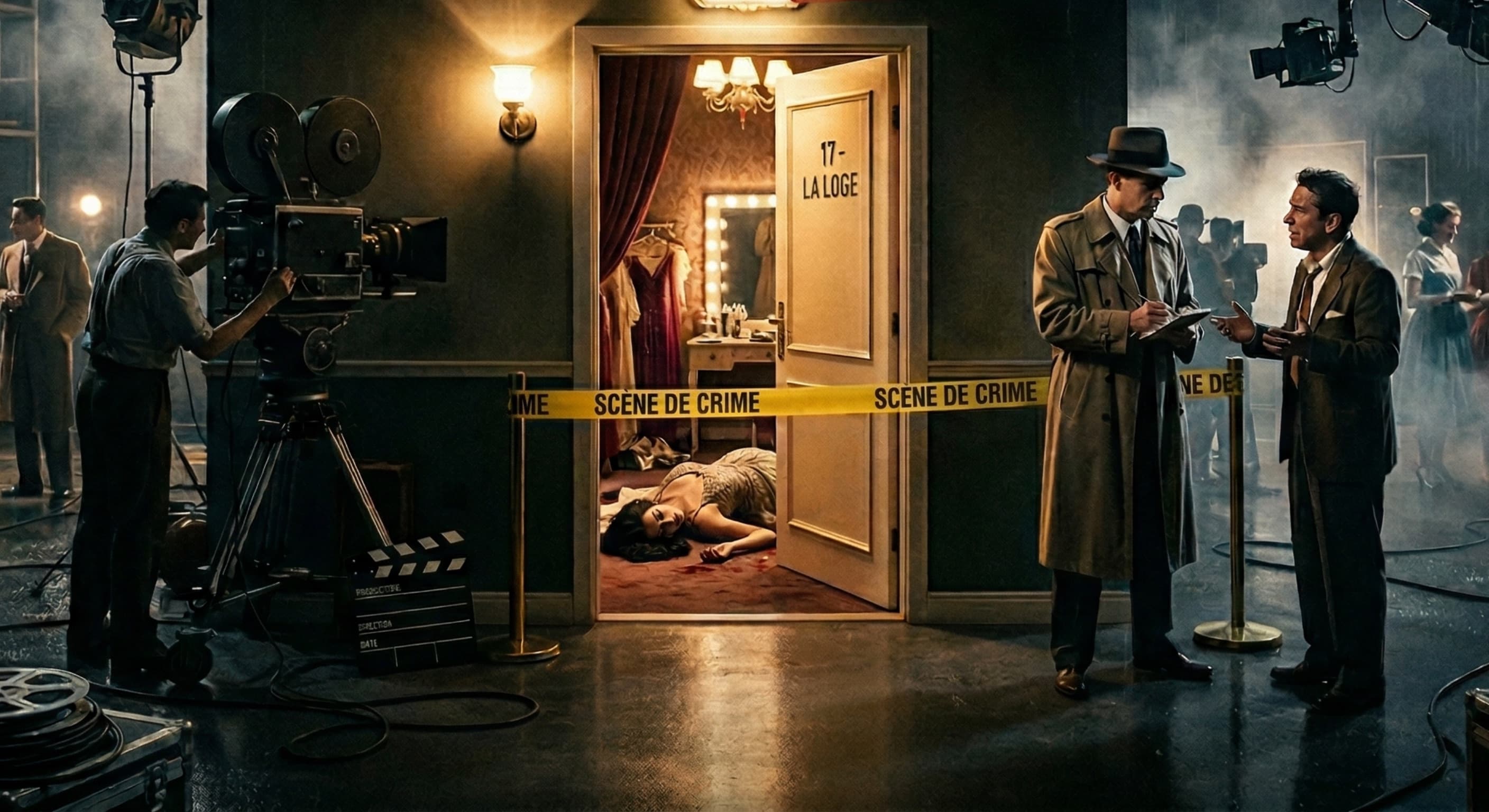
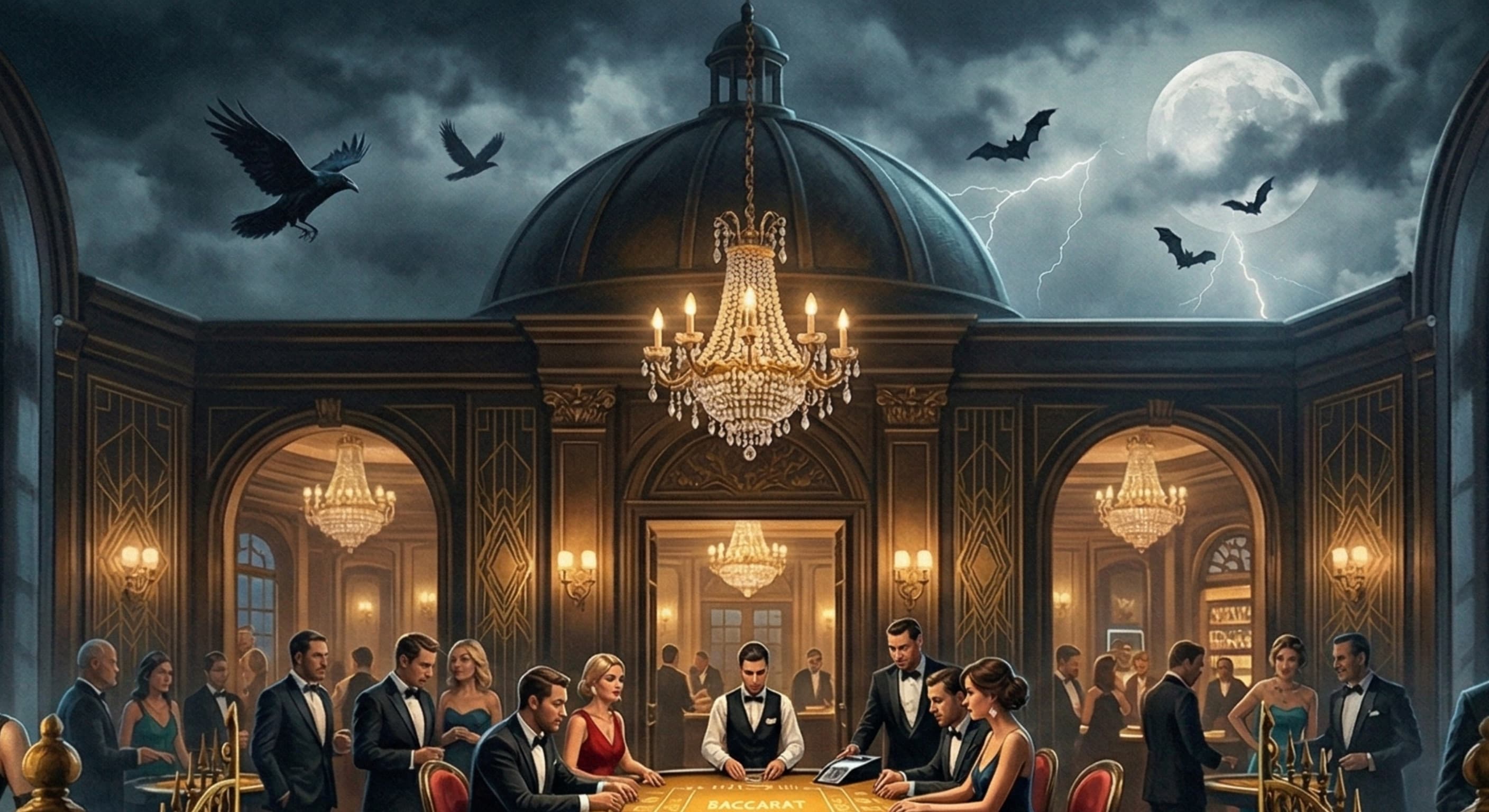
Every murder mystery kit is built in rounds, and every dinner party is built in courses. They have the same shape, and the reason so many dinner mysteries feel disjointed is that the host runs them on two separate schedules. A guest is mid interrogation when a plate appears in front of them; a round ends and everyone sits in silence waiting for the kitchen. Align the two and each one solves a problem for the other. Courses give you natural, non arbitrary moments to hand out clues, which means you never have to interrupt a conversation to say the next round is starting. Rounds give the meal pacing, so the forty minutes between courses that would normally be a lull becomes the most animated part of the evening. Serving also gives you, the host, a legitimate reason to stand up and move around the table, which is exactly when you distribute envelopes without breaking character. Plan the two together on one sheet of paper before you plan either separately. Most of the scenarios on /murder-mystery-kits are written in three to five rounds, which maps cleanly onto a standard dinner.
The four act, four course running order
Here is the running order that works for most groups of eight to fourteen. Act one runs with drinks and something to nibble while guests are still standing, roughly thirty minutes, and covers character introductions and the announcement of the crime. Everyone sits for the first course, and the first set of clues goes onto the table with the plates. Act two, the first real investigation round, runs across that course and the clearing of it, about forty minutes, which is when the table gets loud. The main course arrives with the second batch of clues and a complication, ideally something that overturns an assumption from act two. Act three runs through the main course and is the longest stretch, around fifty minutes. Clear the plates, and act four opens with accusations before dessert rather than after, so that no one is chewing during the reveal. Serve dessert and coffee while the solution is read and while everyone argues about what they missed. Total running time is about three hours, which is a normal dinner party length for anyone who has ever hosted one.
Course by course, what to actually serve
The constraint is that you need to be present at the table, not in the kitchen, so every course has to be either cold, already finished or capable of sitting in a low oven. For the arrival, serve something guests can hold in one hand while reading a character sheet in the other: olives, nuts, a board of cheese and cured meat, anything on a skewer. For the first course, choose something you plate cold or ladle from one pot, such as a soup, a terrine or a composed salad. Soup is the best of these because it goes in mugs or bowls, needs no carving and reheats without complaint. The main course should be the one dish you cook, and it should be a braise, a roast or a baked pasta, all of which improve from sitting and none of which require timing to the minute. Dessert must be made the day before without exception. A tart, a trifle, a chilled chocolate pot, poached fruit. Do not plan to whisk anything at 10 p.m. while twelve guests are accusing each other of murder.
Cooking a dinner you also have to host
The failure mode of a murder mystery dinner is a host who is in the kitchen during act three, which means the game stops. Three rules prevent it. First, nothing gets cooked after guests arrive except reheating. Every element should be finished, chilled or in the oven before the doorbell rings, and your only jobs after that are carrying and plating. Second, delegate serving out loud and in advance. Ask two guests before the party whether they will clear plates and pour, and give them characters who plausibly would: the household staff, the hotel manager, the eager assistant. It is in character, it is genuinely useful and nobody feels used. Third, write both schedules on one page and tape it inside a cabinet door where you can read it while you serve: the time each course goes out, and which envelope goes with it. Put the envelopes in order on a tray in that same cupboard. When the pressure is on and someone has just made a surprising accusation, you want to reach for the next clue without thinking about it.
Wine, water and keeping the plot intact
Three hours at a table is a long time, and a murder mystery is the one dinner party format where losing the thread actually costs something. Two habits keep it right. Pour water for everyone at the start, in the same glasses you would use for anything else, and refill it when you refill wine rather than as an afterthought. And decide in advance how many bottles you are opening rather than opening them as they empty. A useful rhythm is one glass with the first course, one with the main, and something smaller and sweeter with dessert, poured by you as part of serving rather than left on the table. If your scenario involves a vineyard, a cellar or a stolen vintage, tie the wine to the fiction: name the bottles after the estate in the story, print small labels, and let a bottle be a clue. Guests enjoy it far more than a wine pairing card. For guests who are not drinking, batch one good non alcoholic option in a pitcher rather than offering soda, so nobody is holding a visibly different drink all evening.
The table as game furniture
Your table has two jobs tonight and needs to be laid for both. Keep a clear strip down the center for evidence, which means no tall centerpiece and no candelabra in the middle of the line of sight. Low candles at the edges, flowers in short vases or none at all. Each place setting gets the usual, plus one thing: a folded card with the character name facing outward, so that guests can address someone across the table by their character name without having to remember it. That single card does more for immersion than any decoration. Give each guest somewhere to keep their sheet, whether a napkin fold, a small envelope or simply the space to their left, because character sheets that end up under plates get sauce on them. Keep clue envelopes off the table until they are needed, on a side table or a tray, so the center stays clear. And put a small notepad and a pencil at each place. Guests take notes far more readily when the paper is already there, and the notes are what make the accusation round work.
Adapting for a buffet, a small kitchen or a big group
Not every home seats fourteen, and the format bends further than hosts expect. For a buffet, keep the same four acts and use the trips to the buffet table as your clue moments: guests collect a plate and an envelope at the same time. It is less elegant and it keeps people circulating, which suits a larger and louder group. For a small kitchen, cut to three acts and two courses, one substantial main and one dessert, with a long drinks and snacks phase covering acts one and two. That version runs about two hours and is the one to choose on a weeknight. For a very large group, seat people in two or three tables of six to eight and let characters move between them, which makes each table its own conversation and stops the evening becoming a single shouted debate. Whatever the shape, the principle does not change: the food marks the acts. If you want a scenario written around a specific menu, a specific house or a real anniversary, a scenario from /custom-murder-mystery is built to your evening rather than the other way around.
Frequently asked questions
How long does a murder mystery dinner party take?+
About three hours for a full four act, four course evening with eight to fourteen guests. A shortened version with three acts and two courses runs closer to two hours, which is the better choice on a weeknight or with a group that includes children.
When should the murderer be revealed, before or after dessert?+
Take accusations before dessert and read the solution while dessert is being served. That way nobody is eating during the reveal, and the argument about who missed which clue happens over coffee, which is reliably one of the best parts of the night.
What should I cook if I also have to run the game?+
Nothing that needs cooking after guests arrive. A cold or one pot first course, a braise or roast that tolerates sitting, and a dessert made the day before. Ask two guests in advance to help clear and pour, and give them characters for whom that makes sense in the story.
Can I do this as a buffet instead of a seated dinner?+
Yes, and it suits larger groups. Keep the same act structure and hand out each round of clues at the buffet table so collecting food and collecting evidence happen together. You lose a little of the formality and gain a room where people keep circulating.
How many courses do I need?+
Match the number of courses to the number of rounds in your kit, which is usually three to five. Four is the comfortable maximum for a home kitchen. If your kit has five rounds and you are serving three courses, use the arrival drinks and the coffee as the two extra markers.