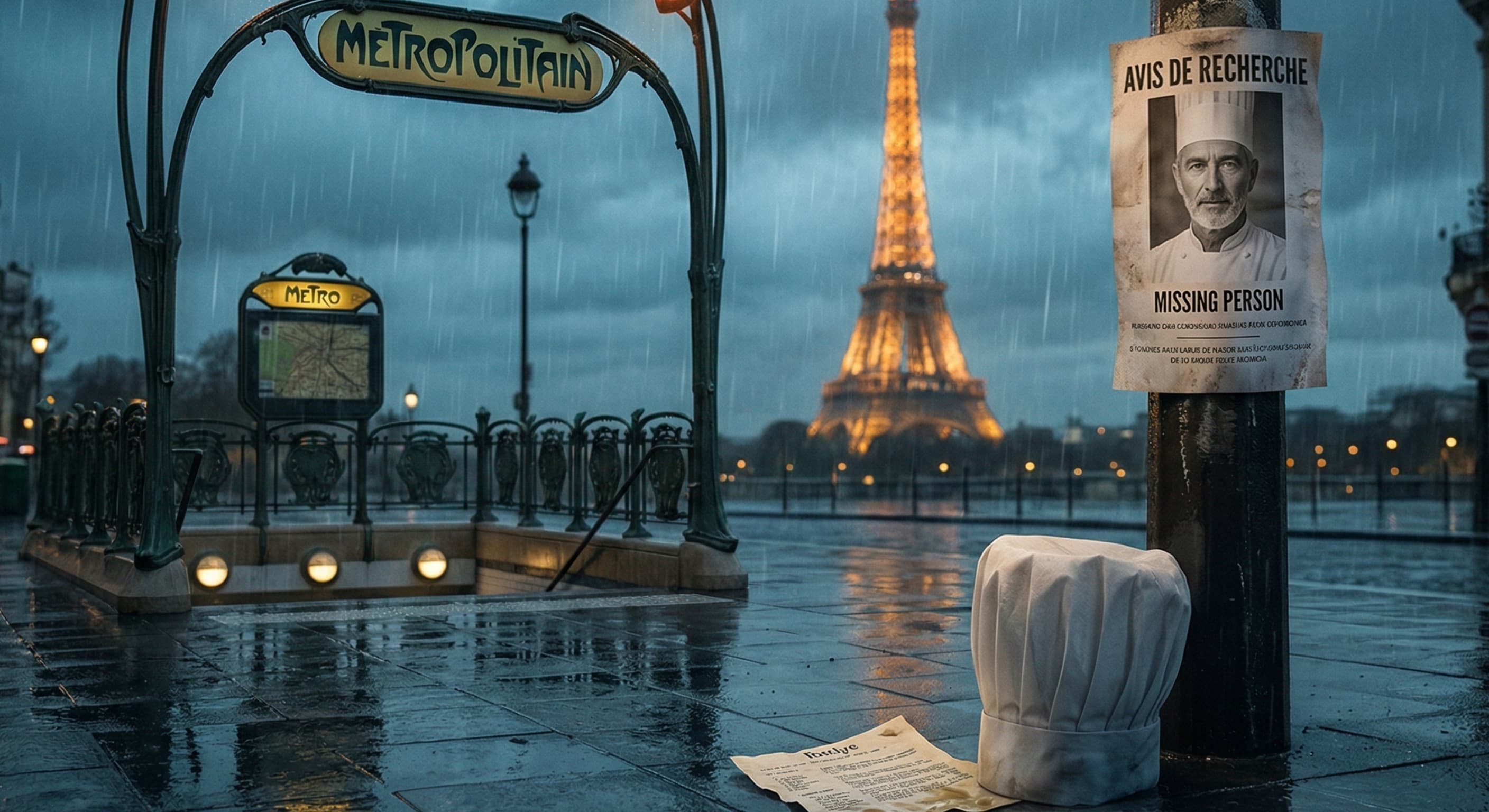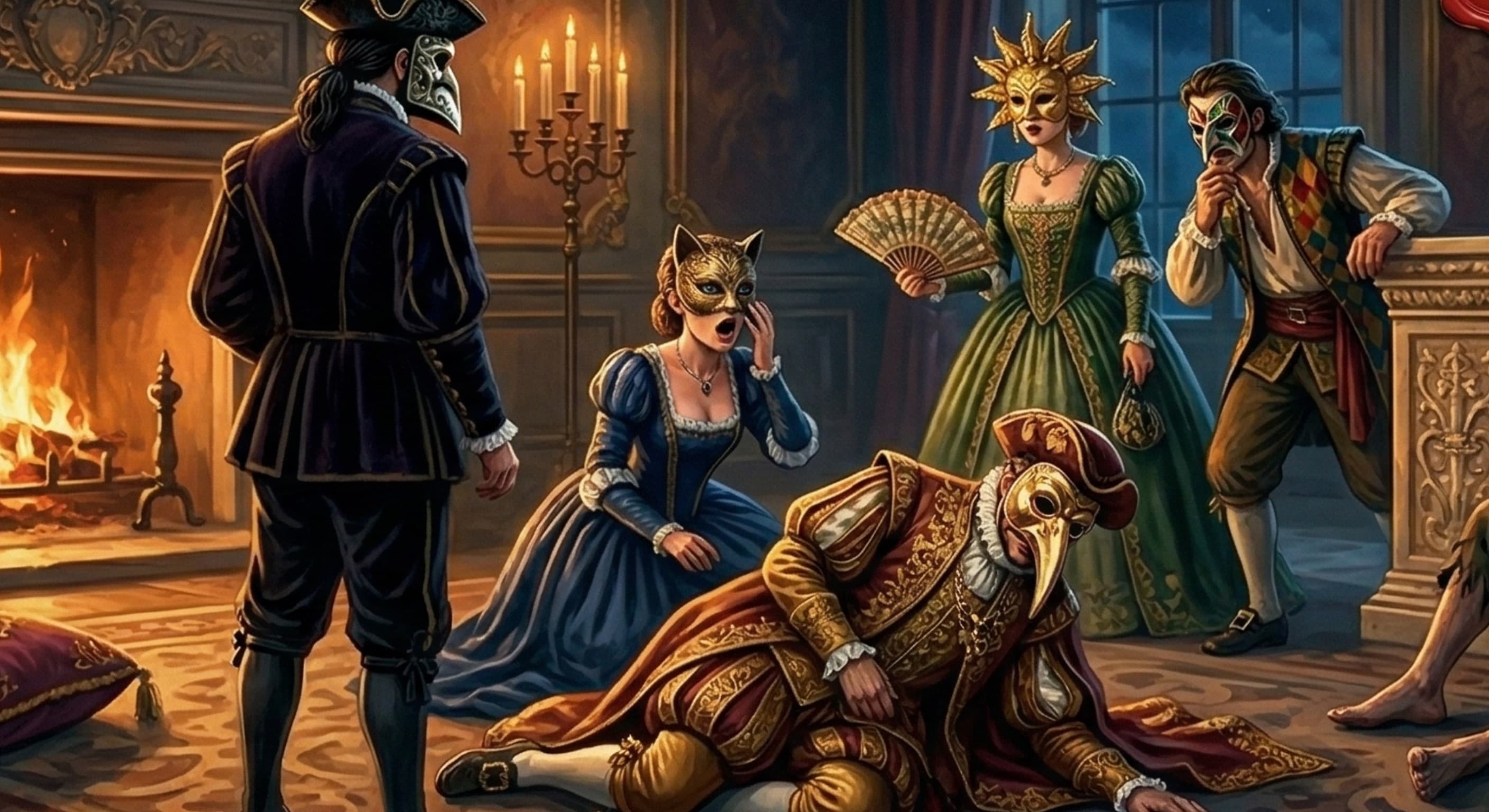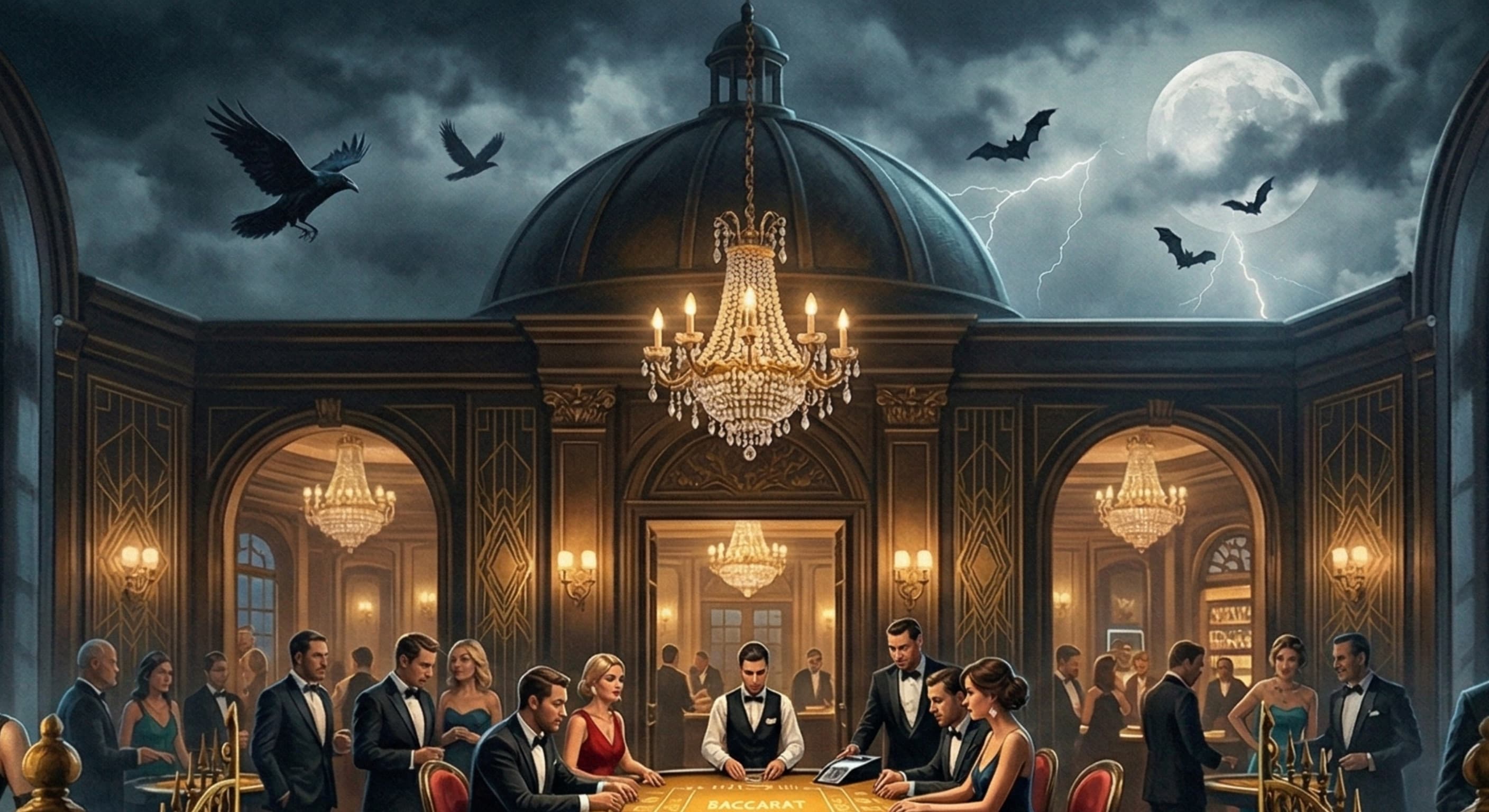
Winter is the real hosting season
From November through March, a Chicago invitation to something indoors gets a much higher yes rate than the same invitation in July. That is not a small effect. Once the lake wind sets in and the sun sets before five, the standing options are a bar, a restaurant or someone's couch, and a structured evening at home with a story attached beats all three. Hosts who have run parties in both seasons report that winter guests also arrive on time, stay later and commit harder to their characters, because nobody is thinking about the patio they could be on instead. The practical advice is to claim a date in January or February rather than waiting for spring. Summer in this city belongs to the lakefront, street festivals and rooftops, and any indoor plan competes badly against them from June through early September. If you host in summer at all, aim for a Sunday evening or a stretch of genuinely bad weather.
The vintage Chicago apartment is built for this
The classic apartment here, the one in a brick three flat or a courtyard building from the 1910s and 1920s, has a feature that modern open plans lack: separate rooms. A front parlor, a dining room, sometimes a sunroom, often divided by pocket doors. For a murder mystery party that separation is worth a great deal, because the game depends on two characters being able to have a conversation the rest of the room cannot hear. In an open plan condo everyone overhears everything, which flattens the secrets. If you have the vintage layout, use it deliberately: put the food in the kitchen, the clue table in the dining room, and leave the front room as the place where private conversations happen. If you have an open plan, borrow the trick anyway by designating the hallway, the bedroom or the back stairwell landing as the private room and telling players it exists.
Condo party rooms and building amenity spaces
High rises along the lakefront, in the South Loop and across River North almost all have a party room, and residents typically book them through the management office for a modest fee or a refundable deposit. This is the cheapest large venue in the city and the most underused. Bring a checklist when you look at one: confirm whether the room has tables you can arrange, whether there is a kitchen or just a sink, what time it must be vacated, and whether outside food and alcohol are allowed. Many buildings also require a certificate of insurance for larger gatherings, which sounds alarming and is usually a form the management company processes in a day. The other advantage in winter is that guests who live in the building do not have to go outside at all, and everyone else has somewhere warm to wait if they arrive early. Park district field houses rent rooms too, at low hourly rates, though the atmosphere is closer to a community meeting than a drawing room.
Back rooms at neighborhood bars
If your group is twelve or more and nobody's apartment fits, a back room at a neighborhood bar is the standard Chicago answer. Places in Logan Square, Lincoln Square, Andersonville, Pilsen and Ukrainian Village book private or semi private rooms most weeknights, usually with a food and drink minimum rather than a flat rental charge, which means the money goes into your group's tab rather than to a venue. Three things to check when you call: whether the room has a door or is simply a roped section, whether the house music plays through it, and whether you can put papers on the tables. A murder mystery party generates a lot of paper, and a room with high tops and no flat surfaces makes clue handling awkward. Tuesday through Thursday gets you a better room and a lower minimum than a Saturday. Ask for the earliest slot so your reveal lands before the bar gets loud.
Themes that borrow from Chicago history
Prohibition is the local theme with the deepest roots, since the city's 1920s underworld is part of the national imagination and every guest already knows the setting: a back room, a bootleg supply chain, a police force with divided loyalties, and a room full of people who all have something to conceal. The World's Fair era of the 1890s gives you a different register, with inventors, financiers and visitors from everywhere in a city being built at speed. The Gilded Age mansion, the newspaper office of the 1930s and the grand lakefront hotel all work for the same reason: a fixed location, a mixed social hierarchy and plenty of motive. Kits at /murder-mystery-kits cover those eras at 39 to 59 dollars for the whole group. If you are planning an adult birthday around one of these, the format and guest count advice on /murder-mystery-birthday-party applies directly. Pick the era your group already has clothes for, since a theme nobody can dress for quietly lowers how much people commit on the night.
Getting people there in February
Cold changes the logistics in small ways that add up. Coats first: twelve winter coats take real space, so clear a bed or a closet rail before anyone arrives, otherwise the pile eats your clue table. Second, the city's winter overnight parking ban covers designated arterial streets from December through April regardless of snowfall, and a separate two inch rule applies to other posted routes once snow accumulates, so tell guests where it is safe to leave a car overnight if they plan to drink. Third, encourage the CTA, which is the real reason a Chicago party can serve drinks freely. Name the nearest L stop in the invitation. Fourth, build in fifteen minutes of slack at the start, because winter travel across the city is unpredictable. Finally, plan food that is warm and can sit: a pot of chili or a slow cooker beats anything that needs to come out of the oven while you are reading the opening passage.
What it costs against a night out here
Chicago has dinner theater and interactive mystery shows, and they are priced per person, usually with dinner bundled in, which puts a group of ten well into the hundreds of dollars before drinks and parking. A printable kit is priced per group: 39 to 59 dollars total depending on the number of characters. For ten players that is under four dollars a head, and the files stay yours, so the same scenario can be replayed with different friends who have not seen it. You also control the schedule, which matters in winter when nobody wants a fixed 10:30pm curtain that puts them on a platform at eleven. For two people rather than a group, detective case files at 39 dollars deliver the same investigative satisfaction on a cold Sunday with no hosting at all. You also avoid the worst part of a February night out, which is standing on a platform in the wind at eleven o'clock waiting for a train that is running behind. Ending an evening by walking to your own coat pile is a real advantage here.
Frequently asked questions
What is the best month to host a murder mystery party in Chicago?+
January and February. Outdoor options are gone, people are actively looking for indoor plans, and acceptance rates are at their highest. Avoid June through early September, when the lakefront, festivals and rooftops compete for every weekend.
Can I rent my building's party room for a murder mystery party?+
Usually yes. Most high rise buildings rent their party room to residents for a small fee or a refundable deposit. Confirm the vacate time, whether outside food and alcohol are allowed, and whether the building requires a certificate of insurance before you commit to a date.
How do I handle parking and drinking in winter?+
Point guests to the nearest L stop in the invitation and encourage transit. If people do drive, warn them about the winter overnight parking ban on posted arterial streets from December through April, and the separate two inch snow rule on other routes.
How many people can I fit in a Chicago apartment?+
A standard vintage two bedroom handles ten to twelve players, since guests stand and move between rooms. The separate dining room and parlor layout common in older buildings is an advantage, because private conversations are central to the game.