January is the season, not the obstacle
Most cities treat deep winter as a problem to schedule around. Here it is the opportunity. From early January through February, the Twin Cities social calendar empties out, weekends are long and dark, and people genuinely want a reason to put on boots and drive fifteen minutes to a warm house. An invitation to spend three hours solving a crime with eleven other people is far more appealing in mid January than in mid July, and your acceptance rate will show it. The whole stretch from October through April works, with the holidays crowded and January, February and early March wide open. The trade off is the opposite season. From June through August, weekends belong to the lake, the cabin and the patio, and the State Fair takes the end of August entirely. If you want a full house, host in the cold. If you must host in summer, take a Friday rather than a Saturday.
Twin Cities history that belongs in a scenario
St. Paul spent the late twenties and early thirties as an unofficial sanctuary for criminals under an arrangement that let wanted men stay in the city as long as they behaved while they were there, and the roster of people who took advantage of it is genuinely famous. Speakeasies operated in the caves along the Mississippi bluffs, and the era left behind a documented world of hideouts, bribed officials, kidnappings and people living under assumed names a few blocks from ordinary families. That is a murder mystery setting handed to you complete, and it is local history rather than borrowed Chicago atmosphere. For a different register, F. Scott Fitzgerald was born in St. Paul and Summit Avenue still has the row of mansions that shaped how he wrote about old money. Milling fortunes on the river supply a third option, with flour money, patents and a dangerous industry behind it.
Houses built for indoor winters
The local housing stock is unusually good for this. Victorians and craftsman homes in Lowry Hill, Kenwood, Tangletown, Linden Hills and Northeast typically have a front hall, a living room, a dining room with a real table, an enclosed porch and a finished basement. That is four distinct spaces, which is more than most hosts anywhere get to work with. Use the dining room for the evidence table, the living room for gathering and the reveal, and let the porch and basement absorb private conversations. The enclosed porch is the local specialty and stays usable in winter if the house is warm enough. Plan the entryway too, which matters more here than anywhere else. A dozen guests in January arrive with coats, boots, hats and gloves, so clear a closet, put down a boot tray and allow ten extra minutes in the schedule for the unpacking ritual before anyone is ready to play.
Your guests are more comfortable performing than you think
The Twin Cities support one of the densest theater scenes in the country for their size, with a long tradition of community and fringe productions alongside the big houses. The practical effect is that an average Minneapolis guest list contains two or three people who have been on a stage, and many more who have watched enough local theater to find the idea of playing a character unremarkable. That changes how you cast. Give the confident performers the characters with the most to hide and the biggest reveals, because they will run with them and raise the energy of the whole room. Give quieter guests roles with specific, concrete information to deliver, which is the easiest kind of part to play well. You can also be more ambitious with the scenario than a first time host elsewhere, since a plot that asks players to commit to an accent or a grudge will actually get played rather than politely ignored.
Running an evening when it is below zero
Cold weather changes logistics more than atmosphere. Start earlier than you would in summer, because people prefer to be home before the streets ice over, so invite for half past six and open at seven. Confirm attendance the morning of, since a snow forecast produces late cancellations, and remember that a printable kit lets you drop an optional character in five minutes rather than scrambling. Tell guests about parking, which in many Minneapolis neighborhoods means a snow emergency route you do not want them ticketed on. Serve something hot as the main food break, because a soup, a chili or a warm dish held in a low oven does more for a January room than a cheese board. Keep a pot of coffee going for the second half. And if the forecast is genuinely bad, postponing costs you nothing at all, because the kit is a file you already own rather than a booking with a deposit attached.
What it costs, and why a download beats a booking in winter
The cost argument in Minneapolis has a local twist. A hosted mystery dinner, a dinner theater ticket or a booked experience is priced per person and locks you to a date, which is a real risk in a city where a February storm can make driving across town a genuinely bad idea. You lose the deposit or you go out in it. A printable kit is 39 to 59 dollars for the whole group, downloads instantly, and moves to next Saturday for free if the forecast turns. For a party of twelve, materials come to about three dollars a guest, and the files remain yours, so the same scenario can be run again next winter with different friends. Player ranges and themes are listed on /murder-mystery-kits. If the occasion is a work event, /murder-mystery-team-building covers scenario choice and logistics for a group from the office. Confirm your final head count during the week of the party and print for that number rather than the optimistic one.
Themes that suit a Minnesota winter
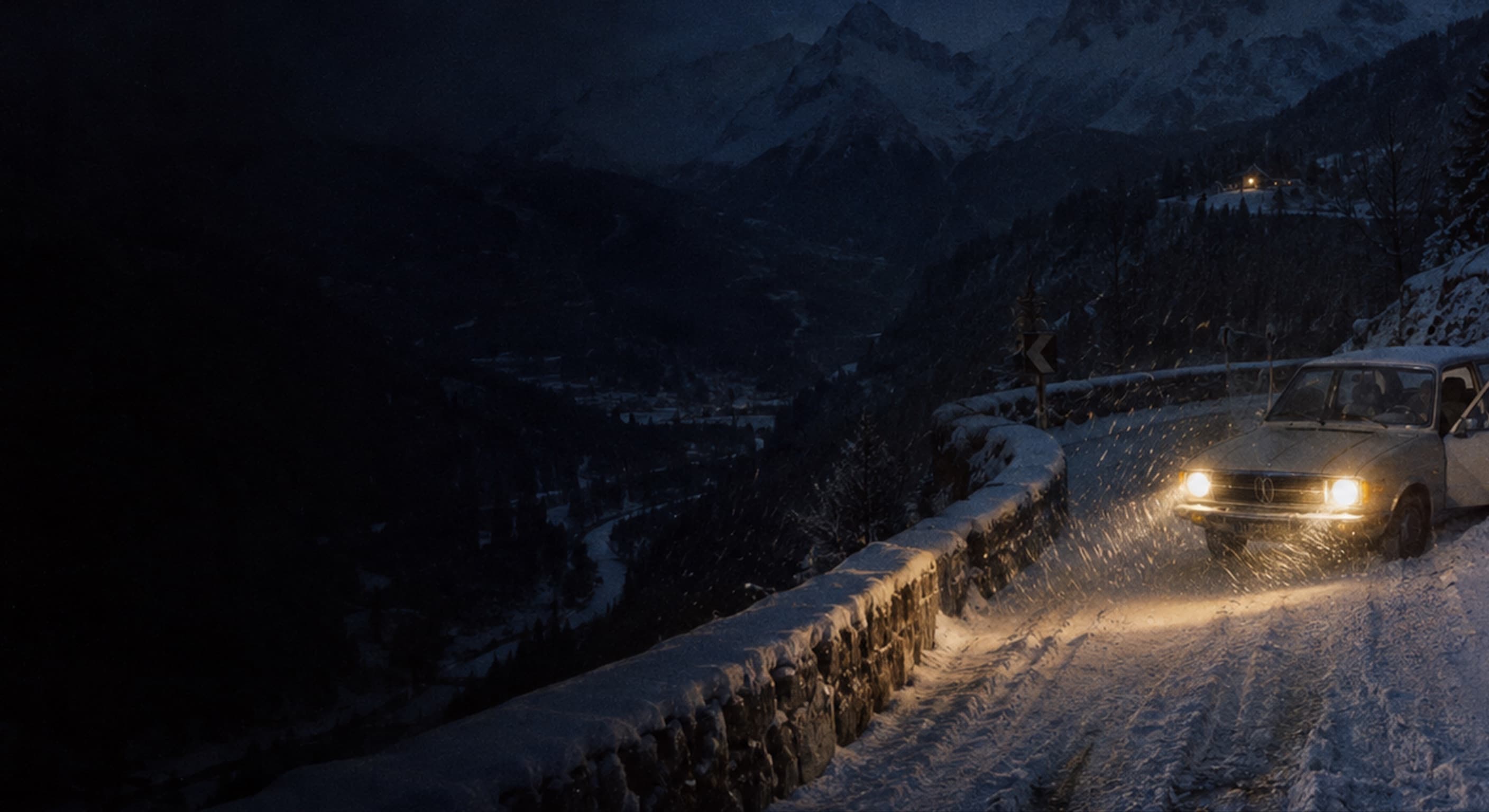
Match the scenario to the season and the whole evening gets easier. A snowbound setting is the obvious one and it works beautifully here, because a story in which nobody can leave the house until morning requires no suspension of disbelief in February. A 1920s or 1930s speakeasy fits the local history exactly and gives guests a costume they can build from a vest, a headband and a string of beads. A grand hotel or a lake resort out of season delivers isolation with more elegance. Avoid anything that asks guests to imagine a hot climate, since a scenario set on a tropical island is a strange thing to play while the windows are frosted. Whatever you choose, use the weather. Reading the opening passage while snow falls outside a window is free atmosphere that hosts in most of the country would pay for. Turn the porch light on so the window has something to show, and leave the curtains open all evening.
Frequently asked questions
When is the best time to host a murder mystery party in Minneapolis?+
January through early March. The social calendar is empty, people want indoor plans, and acceptance rates are far higher than in summer. October and November work well too. Avoid June through August, when weekends belong to the lake and the cabin.
What should I do about coats and boots for a dozen winter guests?+
Clear a closet, put a boot tray by the door and build ten extra minutes into the schedule before the opening passage. The unpacking ritual takes longer than hosts expect, and starting the mystery while half the room is still in socks and coats undercuts the first round.
What happens if a snowstorm hits on the day of the party?+
Postpone at no cost. A printable kit is a file you already own rather than a booking with a deposit, so moving to the following weekend costs nothing but a message to your guests. If only one or two people drop out, remove an optional character and redistribute their clues.
What themes work best for a Twin Cities party?+
Snowbound settings, 1920s and 1930s speakeasies and out of season resort hotels all fit. The Prohibition era is genuinely local history here given St. Paul's reputation in that period, which makes the scenario feel researched rather than imported.